
Independent Music Spotlight
Bruno Arredondo, Clouds
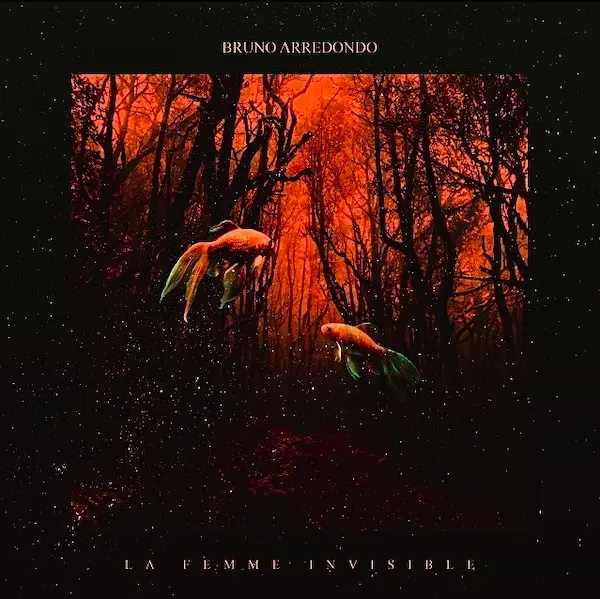
Artist: Bruno Arredondo
Track: Clouds
Style: Experimental Jazz Film Music
About The Artist
There is something particularly engaging about instrumental music that understands the value of restraint. Bruno Arredondo’s “Clouds” is a piece that does not rely on a conventional guitar led arrangement or an obvious melodic hook to draw the listener in. Instead, it builds its identity through bass, piano, horns, synthesised textures and carefully controlled movement, creating a cinematic world that feels both intimate and expansive.
Arredondo is one of the principal songwriters and founding creative forces behind NYC Alt Rock band The Dye, and his solo work with La Femme Invisible takes some of that atmospheric and experimental sensibility into a more personal instrumental setting. Inspired by artists and composers including Brian Eno and David Bowie, Mogwai, Bill Frisell and Miles Davis, the album occupies an interesting space between alternative music, ambient composition and film music.
That cinematic instinct is particularly apparent in “Clouds”. Rather than telling a story through lyrics, Arredondo allows the listener to bring their own experiences and imagery to the music. The result is a piece that feels less like a conventional song and more like an emotional environment to spend some time inside.
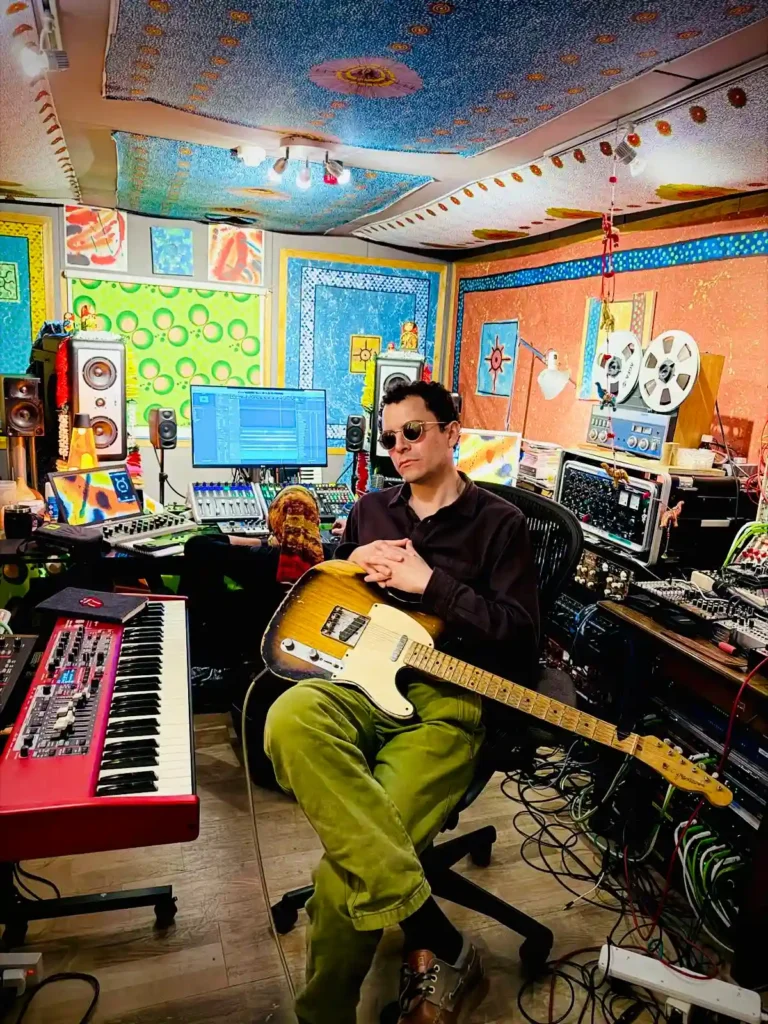
Need to be inspired? Check out the gear and studio!
Track Spotlight
The opening bass melody immediately establishes one of the most distinctive aspects of “Clouds”. Bass is often expected to provide harmonic support or reinforce the rhythmic foundation, but here it becomes a melodic voice in its own right. That choice gives the piece a quietly unusual starting point and provides a strong foundation for everything that follows.
The horns gradually enter the conversation rather than appearing simply as another layer in the arrangement. Their arrival feels like a natural development of the existing musical material, which gives the track a strong sense of pacing. There is an understanding that not every instrument needs to be present immediately, and that allowing elements to emerge over time can create considerably more emotional impact than filling the arrangement from the beginning.
I particularly like the sustained upper synthesiser tones running through the piece. They create a continuing sense of tension and movement without demanding the listener’s attention. This is an effective cinematic technique because the music can feel as though it is constantly progressing even when the surface of the arrangement remains relatively still.
There is also a lovely relationship between the more recognisable instrumental writing and the surrounding soundscape. “Clouds” manages to be harmonically considered while still retaining a sense of openness and space. That balance is not always easy to achieve. Music built around atmosphere can sometimes lose its sense of direction, but this track maintains a clear musical focus while allowing plenty of room for interpretation.
The production supports that approach through restraint. Nothing feels unnecessarily pushed or overprocessed, and the individual sounds retain their character. The horns in particular have a rich, expressive quality while remaining integrated into the wider soundscape. The depth of the production allows the bass, piano, horns and longer textures to occupy their own spaces without the mix drawing attention away from the composition itself.
There is a distinctly cinematic and almost film noir quality to the atmosphere too. It feels introspective without becoming overly sombre, and there is enough harmonic movement and textural development to keep the listener engaged. The music seems to encourage reflection without telling you exactly what you should be reflecting upon.
Listen to the artist now
Spread the word - Share this artist!
My Curator Notes
“Clouds” is an interesting reminder that instrumental music does not need to behave like a traditional song in order to have a strong sense of narrative. Arredondo creates movement through orchestration, texture, harmony and pacing rather than relying on vocals or conventional verse and chorus structures.
I also think there is something valuable in the decision to make bass such an important melodic component. When you remove the expected dominant instrument from an arrangement, you create an opportunity to discover a different musical identity. Here, moving away from traditional guitar led writing allows the bass, piano and horns to become the defining voices of the piece.
For listeners interested in emerging music, this is the kind of release that rewards repeated listening. The first experience can be about atmosphere, while subsequent listens reveal more about the harmonic movement, orchestration and subtle production decisions underneath it.
Artist Takeaways and Mentor Insight
For artists developing their own instrumental or cinematic music, one of the clearest lessons from “Clouds” is to consider what each instrument is actually contributing to the emotional narrative. An instrument does not have to perform its conventional role. Bass can carry melody, percussion can become texture, sustained synths can provide harmonic tension and horns can become atmospheric colour as much as melodic voices.
Another useful lesson is to resist the temptation to introduce new material simply because the arrangement feels as though it needs to move forward. Sometimes the most effective development comes from changing the context around an existing idea. Try taking one musical motif and gradually changing the instrumentation, register, harmony, dynamics or texture around it. You may find that the same idea can continue developing for considerably longer than you initially expected.
The production also demonstrates the value of leaving space. When working on atmospheric music, it can be tempting to keep adding layers in search of greater depth. Instead, try muting elements and listening to what happens when the arrangement becomes simpler. If the composition still creates movement with fewer sounds, you may have found a much stronger foundation.
Finally, think carefully about the world your music creates. Arredondo’s connection between alternative music, experimental composition and film music gives La Femme Invisible a recognisable creative direction. For emerging artists, developing that sense of identity can be just as important as individual production decisions. Consider the kinds of images, environments and emotions your music naturally evokes, then allow those ideas to influence your writing, arrangement, artwork and release strategy.

Indie Artists!
Indie artists!
Learn how Groover can boost your music career and reach new audiences.Discover More Independant Artists
Discover more independent artists by following my playlists below, support indie artists by sharing this post, or submit your music via Groover. Keep exploring new music discoveries and support the next wave of emerging talent.
Please consider supporting independent artists by sharing new music discovery and spreading the word to celebrate the wonderful work indie artists do. You can also discover more emerging music through my bemusi playlists below and explore the blog to discover fresh finds you may be interested in.
Artists, want your work featured? Submit new releases through Groover for curator feedback and potential spotlight placement.