Independent Music Spotlight
M341 - Charming Waltz
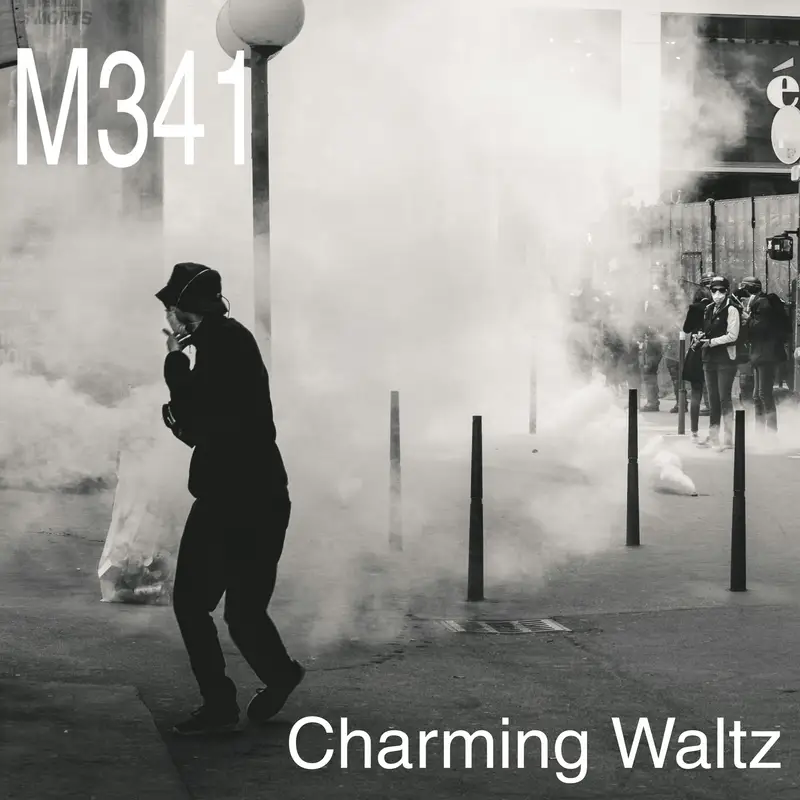
Artist: M341
Track: Charming Waltz
Style: Cinematic, orchestral, ambient, melodic electronic
About The Artist
Music can immediately tell you what they are, what the emotion is within a split second, like a being caught by someone’s beauty from across the street in a second while others invite you to spend a little more time discovering their shape, theme and charm. M341’s “Charming Waltz” falls into the latter category. Although the title suggests a clearly defined traditional form, the composition deliberately avoids making the waltz feel obvious, allowing the music to move with a much greater sense of freedom and expression. Feel the Waltz but don’t dance it is exactly what is felt on a first listen. But like any good dance once you get the rhythm and flow you’re hooked and moving before you know it!
M341 is a self taught multi instrumentalist and producer whose musical background began with guitar, piano and drums, including time spent playing in rock and hardcore projects. His later move towards electronic production opened up a very different musical world, leading him towards ambient soundscapes, cinematic music and more complex orchestral harmonies. That contrast between intensity and calm feels relevant to “Charming Waltz”, where the underlying structure is always present but never allowed to dominate the emotional experience.
His own description of his creative process is particularly revealing. M341 explains that he finds it easier to communicate emotions through notes, modulation and harmony than through words, with the ultimate aim being for the listener to experience those feelings for themselves. That philosophy comes through strongly in this piece.
Track Spotlight
One of the things that immediately caught my attention with “Charming Waltz” is that, despite the title, it doesn’t really feel like a waltz in the conventional sense. The familiar “um pa pa” sensation has been beautifully masked, allowing the music to breathe in a much more open and expressive way. If you listen without consciously counting the meter, the musical groupings can almost feel as though they could fall into three, six or even four.
For me, that is one of the most successful aspects of the composition. The music doesn’t need to announce its rhythmic identity because the emotional quality sits above the underlying structure. It feels less like a piece demonstrating that it is a waltz and more like a piece of music that happens to have that foundation underneath it.
The writing also has a lovely sense of development. Initially there is a distinctly filmic and cinematic quality to the slightly tense harmonic voicings, but as the piece progresses it gradually begins to feel more like a concert work. That transition happens naturally rather than through a sudden change of direction, and the individual lines continue to ebb and flow while maintaining the central emotional feeling.
At around 1:22, the introduction of the flute motif provides a particularly effective emotional lift. I like that the motif isn’t simply introduced as a new idea and then discarded. It continues and develops, giving the listener something familiar to follow while the rest of the composition continues to move forward.
The piano is naturally a major focal point, acting as the anchor of the piece and carrying much of its musical journey. Around it, the orchestral elements, particularly the flute, create additional layers of interest. There are also details within the inner musical lines that become more apparent with repeated listening, which is something I always value in composition. The first listen gives you the overall emotional response, while subsequent listens reveal smaller details that may have passed unnoticed initially.
Listen to the artist now
Spread the word - Share this artist!
My Curator Notes
There is a valuable lesson in “Charming Waltz” about allowing composition to breathe. A piece does not necessarily become more expressive by making every structural element obvious. Sometimes the most effective approach is to establish an underlying framework and then allow the musical material to move freely within it.
The production supports that idea well. The piano naturally occupies centre stage without becoming overly dominant, while the surrounding orchestral material has enough space to breathe. The frequency range feels controlled and the soundstage remains balanced, which is particularly important when several melodic and harmonic lines are contributing to the overall picture.
I did notice what sounded like a small digital clip at around 1:34, along with a couple of other very subtle moments elsewhere. It could potentially be related to final limiting, although it is also possible that something has been introduced during conversion for a streaming platform. It doesn’t detract from the overall mix, but it would be worth checking the original master to make sure everything is clean at the final limiting stage.
Artist Takeaways and Mentor Insight
For artists working with cinematic, orchestral or ambient music, one of the strongest lessons from “Charming Waltz” is the value of making the listener feel the structure rather than simply hear it. You don’t always need to reinforce the meter, genre or form through obvious musical gestures. Establishing the framework and then allowing the musical material to move naturally can create something considerably more immersive.
I would also encourage composers to think carefully about how motifs develop. The flute idea around 1:22 works because it gives the listener something recognisable without stopping the piece from progressing. When you introduce a new motif, consider whether it can remain present and evolve rather than simply appearing as a decorative moment. A small musical idea can become much more powerful when it is allowed to grow alongside the rest of the arrangement.
There is also a useful production lesson in the relationship between the piano and orchestral elements. When one instrument is intended to act as the emotional anchor, everything around it needs to support rather than compete with that role. Think carefully about frequency, dynamics, stereo placement and arrangement before reaching for processing. Sometimes creating space is more effective than trying to make an individual part sound bigger.
Most importantly, M341’s approach demonstrates the value of writing from an emotional starting point. If the original feeling comes first, the musical decisions can then serve that feeling rather than simply serving a genre convention. For emerging artists and independent composers, that is an approach worth carrying into both the writing and production stages.
Indie Artists!
Indie artists!
Learn how Groover can boost your music career and reach new audiences.
Discover More Independant Artists
Discover more independent artists by following my playlists below, support indie artists by sharing this post, or submit your music via Groover. Keep exploring new music discoveries and support the next wave of emerging talent.
Please consider supporting independent artists by sharing new music discovery and spreading the word to celebrate the wonderful work indie artists do. You can also discover more emerging music through my bemusi playlists below and explore the blog to discover fresh finds you may be interested in.
Artists, want your work featured? Submit new releases through Groover for curator feedback and potential spotlight placement.