Independent Music Spotlight
Heartracer | Streets of Dublin
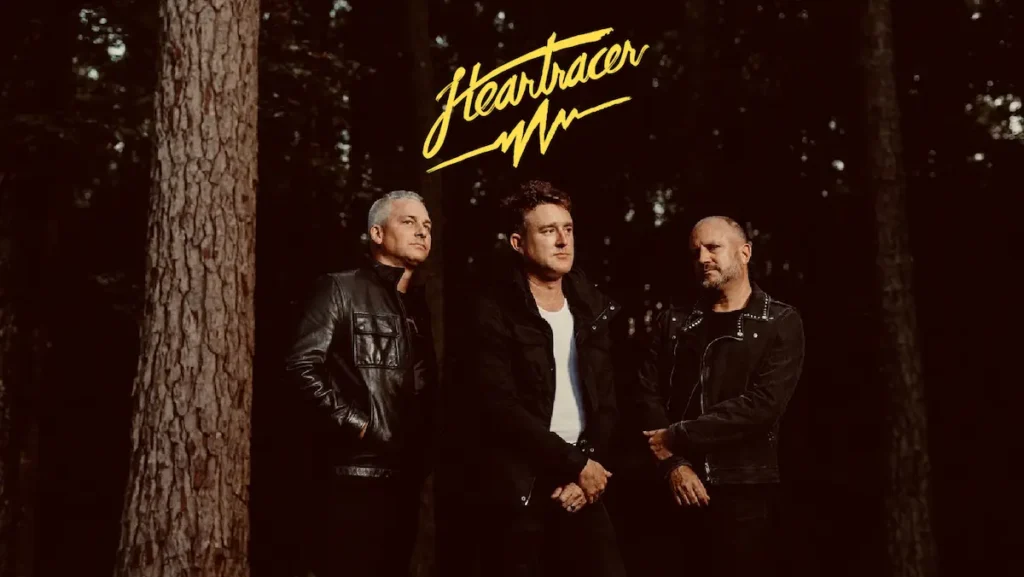
Artist: Heartracer
Track: Streets of Dublin
Style: Indie Rock
About The Artist
Some songs capture a place, while others capture the feeling of being there. Heartracer’s Streets of Dublin manages to do both, combining the spirit of Irish musical traditions with the energy of modern indie rock to create a track that feels nostalgic, uplifting and full of life.
The lead single from their Nighttime Fever release, the song was inspired by the brothers’ trip to Ireland and their experience of reconnecting with their Irish roots. That connection to heritage, culture and the simple pleasure of enjoying life with good music and good company provides the emotional foundation for the track.
What makes this such an enjoyable new music discovery is the way Heartracer take that inspiration and turn it into something that feels both personal and universal. You do not need to have visited Dublin to understand the sentiment behind the song. The combination of traditional Irish instrumentation, driving guitars, powerful drums and an infectious chorus creates the feeling of being part of something bigger than yourself.
For an independent artist, that is a valuable quality. The strongest songs often begin with something personal and find a way to make the listener feel part of the experience.
Track Spotlight
The opening of Streets of Dublin immediately caught my attention. The penny whistle introduces a melody with a distinctly nostalgic character, creating an atmosphere that initially made me think of the soundtrack to Titanic. Then, just as I was settling into that impression, the full band comes crashing in and the track reveals its true identity.
It is a wonderfully effective introduction. The whistle motif repeats several times, first on its own and then with the driving force of the band behind it. That repetition establishes a recognisable musical idea before the arrangement transforms its meaning. What begins as something almost reflective becomes an invitation to join the celebration.
Prince once sang about the joy in repetition, and this is a great example of that principle in action. A musical idea does not necessarily need to become more complicated to become more powerful. Sometimes, the key is finding the right way to repeat it, allowing the listener to become familiar with the melody before revealing what it can do in a different musical setting.
From there, the track builds into an energetic blend of rocking guitars, thunderous drums, pulsing synths and traditional Irish colours. The uilleann pipes and tin whistle provide a distinctive identity, while the contemporary indie rock production ensures that the song never feels like an exercise in nostalgia. Instead, the traditional elements become an integral part of a modern band sound.
The chorus is particularly effective. The declaration, “I left my heart in the Streets of Dublin”, gives the song a clear emotional centre. It is simple, memorable and easy to imagine a crowd singing back at a live show. More importantly, the sentiment feels connected to the story behind the music rather than being a phrase written simply because it sounds good.
There is also a lovely balance between energy and detail in the arrangement. The track maintains its momentum without becoming musically static. Sustained, strummed guitars spread across the stereo field before dropping away to make room for more muted guitar parts. The drums provide a consistent foundation, but the changing guitar textures create movement and keep the arrangement developing.
I particularly enjoyed the cleaner guitar lines in the second verse. They introduce a different character without interrupting the flow of the song, demonstrating how a small change in instrumentation and articulation can refresh an arrangement that is already working well.
Vocally, the performance carries genuine conviction. The singer has a tone that suits the material, but what matters most is the feeling behind the delivery. You can hear the sentiment in the words, and that emotional connection helps make the chorus believable.
There is something about the overall sound that reminds me slightly of Sam Fender, not in terms of the song itself, but in the tone, drive and confidence of a contemporary rock band. Heartracer have that sense of forward momentum, combined with a melodic accessibility that gives the music a broad appeal.
Listen to the artist now
Spread the word - Share this artist!
My Curator Notes
As a composer, producer and mix engineer, I spend a lot of time listening to how the different elements of a recording work together. With Streets of Dublin, one of the things that impressed me most was how complete the production feels.
I hear plenty of exciting independent music, but occasionally a track reaches a point where the songwriting, performance, arrangement and mix all seem to be working towards exactly the same goal. This is one of those recordings. Nothing feels as though it has been added simply to make the production bigger or more impressive. The individual elements serve the song, and that gives the whole track a sense of purpose.
The guitar sound deserves particular attention. Guitars can be surprisingly difficult to balance in a dense rock mix. Push them too far and they become harsh, mask the vocal or leave little room for the other instruments. Pull them back too much and the track loses its energy. Here, the guitars are loud, proud and full of midrange character, yet they retain enough definition to work alongside the rest of the band.
The relationship between the bass and drums is equally important. The low end feels cohesive, with the two instruments working together to create weight and momentum rather than competing for space. That foundation allows the guitars and vocals to sit comfortably above them, giving the track its punch without sacrificing clarity.
I also really like the vocal balance. The singer is prominent enough for the lyrics to remain intelligible throughout, but the vocal still feels connected to the band. It does not sound detached from the instrumentation or artificially placed on top of the mix. Instead, the voice feels as though it belongs inside the performance, which is exactly what this kind of music needs.
That balance is not always easy to achieve. It requires attention to the arrangement, the frequency relationships between instruments, the dynamics of the performance and the way everything responds to the mix processing. Getting those elements right can make the difference between a recording that sounds like a collection of individual parts and one that feels like a band playing together.
Another important aspect of Streets of Dublin is its identity. Traditional Irish instruments could easily have become a novelty feature, used briefly to establish the setting before disappearing into a conventional rock arrangement. Heartracer give them a more meaningful role. They help define the melody, establish the atmosphere and connect the song to the experience that inspired it.
For me, that is the difference between using an interesting sound and building a musical identity around it.
There is a lot for independent artists to take from this release. Heartracer have found a way to combine a recognisable musical influence with a contemporary sound, while keeping the emotional message at the centre of the song. It is catchy without feeling disposable, polished without losing its personality, and energetic without becoming one-dimensional.
Artist Takeaways and Mentor Insight
There are several lessons in Streets of Dublin that songwriters, musicians and producers can apply to their own work.
1. Start with something meaningful
Heartracer’s inspiration came from a personal experience: travelling to Ireland and reconnecting with their heritage. That gave them a clear emotional starting point.
You do not need an extraordinary life experience to write a compelling song. It could be a place you visited, a conversation you remember, a relationship, a family story or a moment that stayed with you long after it happened.
The important thing is to identify what made that experience meaningful and find a way to communicate it through music.
When you are developing a song, try writing down the central feeling or memory before you start working on the arrangement. This can help you make more purposeful decisions later, from the instruments you choose to the way the vocal is delivered.
2. Give your song a recognisable musical idea
The repeated whistle motif is one of the defining features of Streets of Dublin. It establishes the identity of the track before the full band enters, and it remains connected to the song as the arrangement develops.
When writing your own music, look for a melody, rhythm, instrumental phrase or vocal idea that listeners can recognise after hearing it once or twice.
It does not need to be complicated. In fact, simplicity can be a strength when the idea has the right character.
Try building your arrangement around that central idea. Introduce it clearly, explore different ways of presenting it and consider how its meaning might change when other instruments enter. A simple musical phrase can become much more powerful when the arrangement gives it room to develop.
3. Create movement without constantly adding more
One of my favourite aspects of this track is the way the guitar parts change throughout the song.
The energy remains high, but the arrangement continues to evolve through changes in articulation, texture and density. Sustained strumming gives way to more controlled guitar parts, and the contrast refreshes the music without taking away its momentum.
This is something I encourage songwriters and producers to experiment with.
If your arrangement feels static, resist the temptation to immediately add another instrument or make everything louder. Instead, try removing an element, changing the register of a part, introducing a different playing technique or allowing an instrument to move into a different rhythmic role.
Sometimes, the most effective arrangement decision is to create space rather than fill it.
4. Make production serve the song
The production of Streets of Dublin works because the individual elements complement one another.
The guitars deliver energy, the rhythm section provides a solid foundation, the vocal communicates the sentiment and the traditional instruments establish the song’s identity. Each part has a purpose.
When mixing your own music, it is worth stepping back occasionally and asking whether every element is helping the listener understand and feel the song.
A sound can be impressive in isolation but less effective in the context of the whole arrangement. Equally, an instrument that seems relatively simple on its own can become essential when it provides the right contrast or supports another part.
Listen to the track as a complete musical experience, not just as a collection of sounds to perfect individually.
5. Give your vocal performance something to communicate
A technically accurate vocal is not necessarily an emotionally convincing one.
The delivery in Streets of Dublin works because the singer communicates the sentiment behind the words. There is a sense that the lyric means something to the person performing it.
When recording vocals, spend time thinking about the meaning of each line. Consider where the emotional emphasis should fall, which words need greater intensity and where a more restrained delivery might communicate more effectively.
You might even try recording the same section in several different ways, changing the intensity or emotional perspective rather than simply attempting to sing it more perfectly each time.
The aim is not just to reproduce the melody. It is to make the listener believe what you are singing.
6. Develop an identity that listeners can recognise
The combination of traditional Irish instrumentation and modern indie rock gives Heartracer a clear musical character.
For emerging artists, developing that kind of identity can be more valuable than trying to follow every current production trend. Your influences are important, but the most interesting music often emerges when those influences meet your own experiences, interests and creative instincts.
Think about what makes your music different. It might be a particular instrumental combination, an unusual approach to songwriting, the subjects you write about or the way you blend contrasting styles.
You do not need to invent an entirely new genre. You need to find a combination of musical choices that feels authentic to you and gives listeners a reason to remember your work.
Then keep developing it. A recognisable identity gives people something to connect with as your catalogue grows.
7. Aim for a finished, cohesive release
One of the strongest qualities of Streets of Dublin is the sense that everything has been considered.
The songwriting is focused, the arrangement develops naturally, the performances feel committed and the mix supports the musical direction. That cohesion helps the track compete for attention in an increasingly crowded independent music landscape.
When preparing your own release, give yourself enough time to assess the complete recording rather than concentrating solely on individual details.
Listen at different volumes and on different playback systems. Check that the vocal remains clear, the low end translates well and the arrangement retains its impact without becoming tiring. Most importantly, listen as a music fan as well as a musician.
Does the song communicate what you intended? Does it hold your attention? Are there any elements that distract from its central message?
You will never eliminate every possible imperfection, but you can make deliberate decisions about what the listener needs to hear.
The wider lesson is that strong music comes from the relationship between the idea, the performance and the production. Heartracer demonstrate how those elements can reinforce one another to create a song with both personality and broad appeal.
Indie Artists!
Indie artists!
Learn how Groover can boost your music career and reach new audiences.
Discover More Independant Artists
Discover more independent artists by following my playlists below, support indie artists by sharing this post, or submit your music via Groover. Keep exploring new music discoveries and support the next wave of emerging talent.
Please consider supporting independent artists by sharing new music discovery and spreading the word to celebrate the wonderful work indie artists do. You can also discover more emerging music through my bemusi playlists below and explore the blog to discover fresh finds you may be interested in.
Artists, want your work featured? Submit new releases through Groover for curator feedback and potential spotlight placement.