Independent Music Spotlight
Charles Knudsen: The Lillies of Monument Road | Groover Spotlight on Independent Music
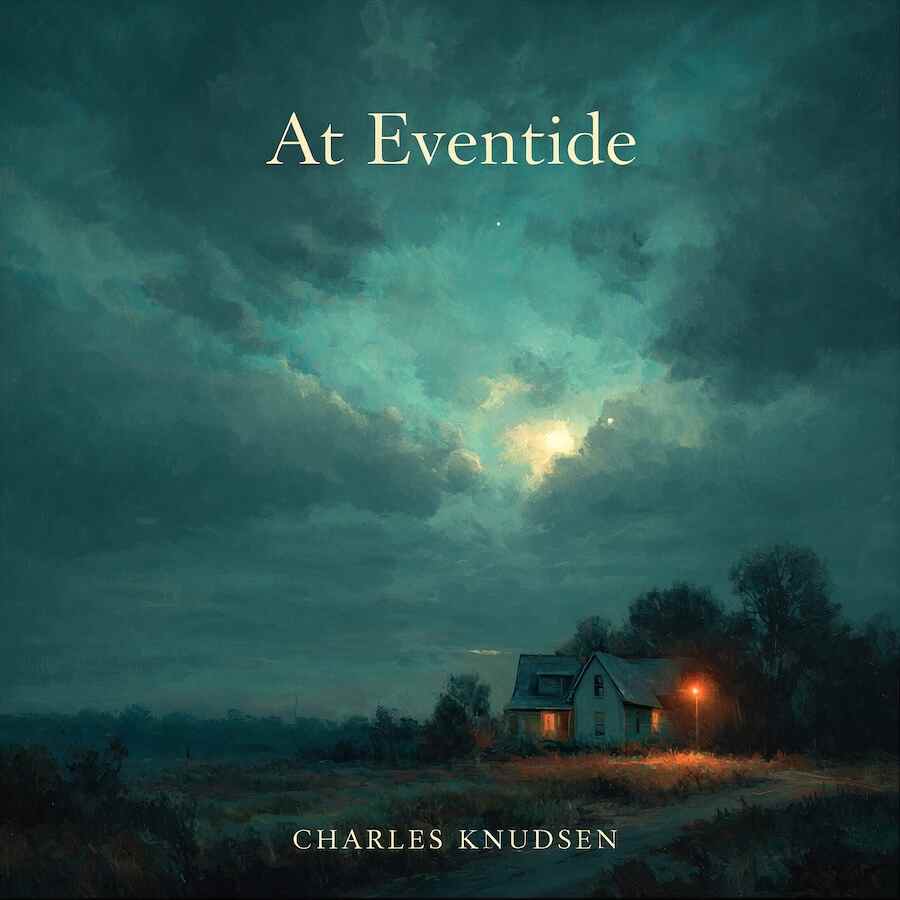
Artist: Charles Knudsen
Track: The Lillies of Monument Road
Style: Classical Piano
About The Artist
A New Music Discovery Worth Sitting With
There are pieces of music that ask for your attention, and then there are pieces that quietly earn it. Charles Knudsen’s The Lillies of Monument Road belongs firmly in the second category. It never relies on spectacle or unnecessary complexity. Instead, it invites you into a reflective musical landscape where every phrase feels intentional and every dynamic shift has something meaningful to say.
As someone who spends a great deal of time listening to independent artists through Groover, I am always looking for music that leaves a lasting impression long after the final note has faded. This composition does exactly that. It demonstrates that a single instrument, placed in the hands of a thoughtful composer, can communicate just as powerfully as an entire orchestra.
Based in Japan, Charles Knudsen is a composer and pianist whose music blends the warmth of Romantic era piano writing with a contemporary classical voice. Interestingly, he did not begin studying piano seriously until high school, where an improvisation based teaching programme first opened the door to composition. That sense of discovery still feels present in his writing today. His music carries an honesty that comes from writing with emotion first, rather than simply following tradition.

Track Spotlight
The Piano as Storyteller
One of the first things that struck me about The Lillies of Monument Road was just how naturally the music unfolds. The composition develops patiently, allowing ideas to breathe before gently introducing new harmonic colours and melodic directions. Nothing feels rushed. Every section earns its place.
What I particularly admired was Charles’ ability to balance familiarity with surprise. There are moments where your ear begins to anticipate an expected cadence or harmonic resolution, only for the music to take an entirely different path. Those decisions never feel forced or clever for the sake of it. Instead, they deepen the emotional journey and keep the listener completely engaged.
The melodic writing deserves special mention. Beautiful lyrical phrases weave through flowing broken chords, elegant scale passages and expressive intervallic movement. Throughout the piece there is a genuine musical conversation taking place between melody and harmony. Neither dominates. They simply support one another in telling the story.
Expressive Without Excess
A close friend once told me that the piano is the most expressive instrument ever created. The more I listen to performances like this, the more I understand exactly what he meant.
The instrument offers an extraordinary range of dynamics, colour and register, allowing one performer to become both soloist and orchestra simultaneously. Charles makes full use of that expressive palette without ever overplaying. The quieter moments carry just as much emotional weight as the larger climaxes.
This is music that trusts the listener. Rather than demanding attention through constant intensity, it creates space for reflection, allowing emotion to emerge naturally through carefully crafted musical decisions.
Beautifully Captured
The production complements the composition exceptionally well.
Recording solo piano can be surprisingly difficult. Too often recordings can sound narrow, distant or lacking warmth. Here, however, the piano feels wonderfully full and immersive. The stereo image creates a pleasing sense of width while maintaining intimacy, allowing every nuance of the performance to remain front and centre.
There is an excellent balance between clarity and natural ambience. The instrument breathes, the dynamics remain intact, and nothing distracts from the performance itself. It is exactly the kind of production that serves the music rather than drawing attention to itself.
Listen to the artist now
Spread the word - Share this artist!
My Curator Notes
One of the things I enjoy most about discovering emerging music is finding artists who are completely comfortable allowing their own voice to lead the creative process. Charles Knudsen feels like one of those artists.
There is confidence throughout this composition, but it is never arrogance. Instead, it comes from understanding the instrument deeply enough to let musical instinct take over. The harmonic language is sophisticated without becoming inaccessible, and the emotional direction always feels genuine.
As both a composer and music educator, I often encourage artists to think beyond technical perfection. Technique is important, but communication is what listeners remember. The Lillies of Monument Road reminds us that memorable music is built on emotion, thoughtful pacing and strong musical storytelling.
It is also refreshing to hear contemporary classical music that embraces melody so naturally. In a musical landscape where complexity can sometimes become the goal, Charles demonstrates that accessibility and sophistication can comfortably exist together.
This is exactly the kind of independent artist I enjoy highlighting through my curated playlist discoveries and Groover features.
Artist Takeaways and Mentor Insight
There are several valuable lessons fellow composers and producers can take from this release.
The first is the importance of trusting musical development. Charles allows ideas to evolve organically rather than introducing new material simply to maintain interest. Patience often creates stronger emotional impact than constant change.
Secondly, surprise works best when it grows naturally from what came before. Several harmonic turns arrive just as the listener expects a familiar resolution. Instead of breaking the musical flow, these moments expand it. That balance between expectation and originality is something every songwriter can study.
Another lesson lies in arrangement. This piece proves that density is not the same as depth. There is space throughout the performance, allowing every phrase room to breathe. Whether you write orchestral music, indie folk or electronic productions, leaving space can often make your strongest ideas even more powerful.
Finally, pay attention to how the recording supports the music. Excellent performances deserve equally thoughtful production. Capturing a natural stereo image, preserving dynamics and resisting over processing allows emotion to remain at the centre of the listening experience.
Perhaps the biggest takeaway of all is this. Continue developing your own voice rather than chasing someone else’s. Charles’ music feels authentic because it sounds like an honest extension of who he is as a composer.
Final Thoughts
The Lillies of Monument Road is a beautifully crafted piece that showcases both compositional maturity and expressive performance. It demonstrates how powerful solo piano can be when every musical decision serves the emotional narrative.
If you enjoy contemporary classical music, lyrical piano works or discovering talented independent artists through curated playlists, this is a release well worth spending time with.
Charles Knudsen has created something thoughtful, elegant and deeply human. I look forward to hearing where his musical journey leads next.

Indie Artists!
Indie artists!
Learn how Groover can boost your music career and reach new audiences.
Discover More Independant Artists
Follow, Discover and Share
If you enjoyed discovering Charles Knudsen, I’d love you to explore more new music discovery features here on Bemusi.
You can also:
- Follow my curated playlists featuring exceptional independent artists and emerging music.
- Share this feature with fellow classical music lovers and composers.
- Browse more Groover Spotlights showcasing outstanding independent musicians from around the world.
- If you’re an artist looking for professional feedback, you can also submit your music to me through Groover for consideration in future reviews and curated playlist features.
Great independent music deserves to be heard, and sharing artists like Charles helps make that happen.