
Independent Music Spotlight
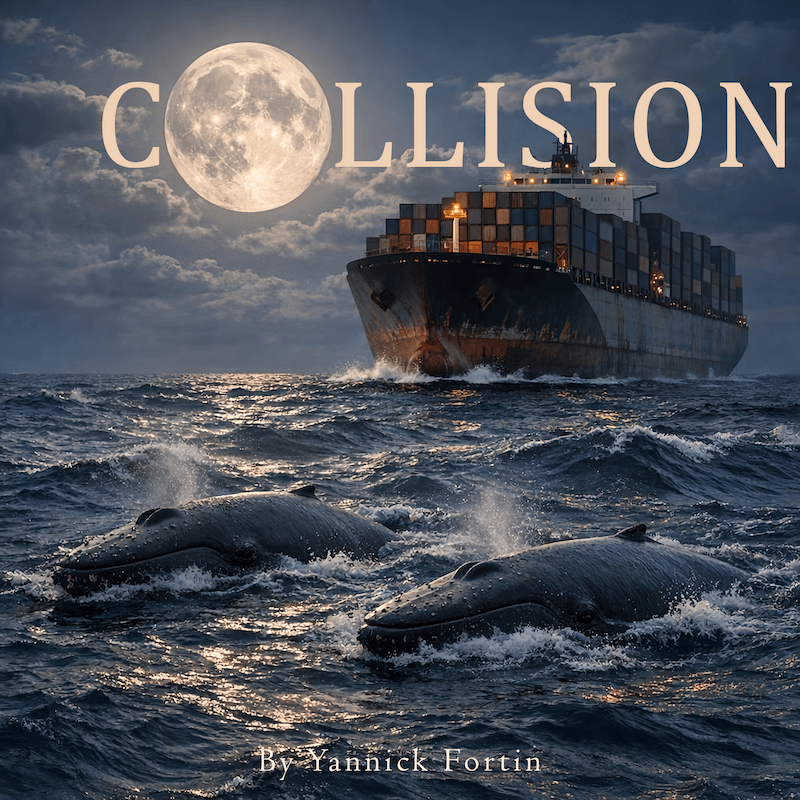
Yannick Fortin – Collision
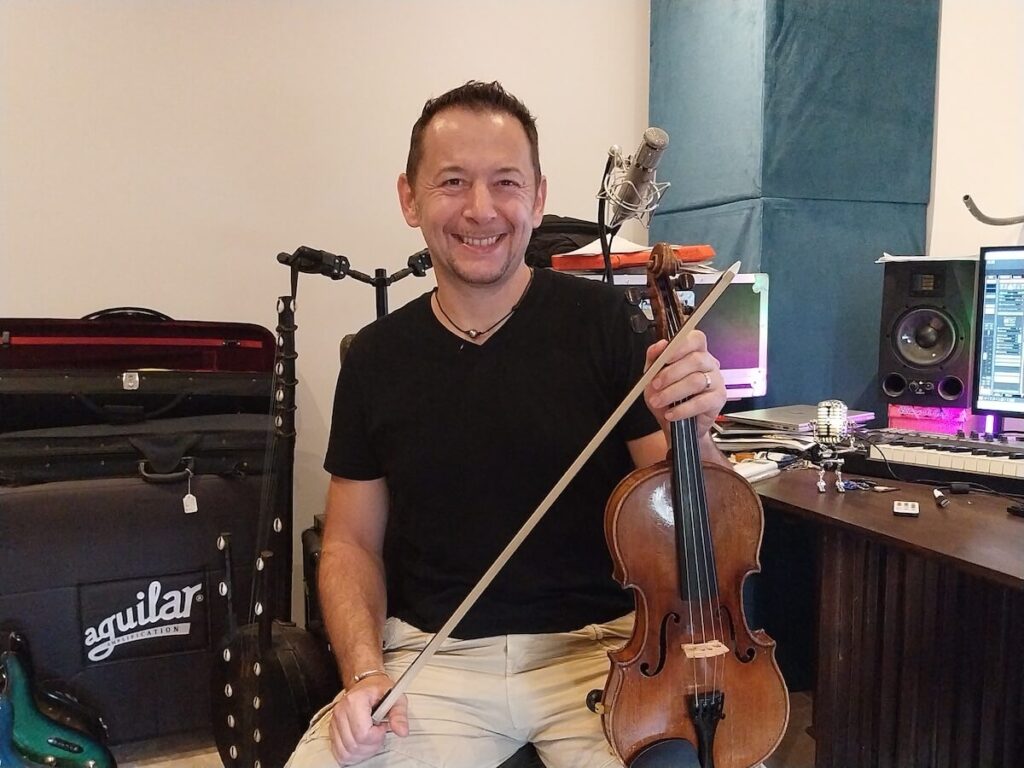
Artist: Yannick Fortin
Track: Collision
Style: Cinematic and Epic Orchestral
About The Artist
Today’s independent artist spotlight brings us to composer and musician Yannick Fortin and his striking new single Collision. This is a piece that immediately stood out during our new music discovery process, not just for its cinematic scale, but for the depth of meaning behind it. Inspired by the gradual disappearance of whales in the Mediterranean Sea, Collision sits at the intersection of emerging music, environmental storytelling, and modern orchestral composition.
Yannick’s work feels purpose driven. From the outset, it is clear that this is not background music designed to simply impress. It is music that wants to communicate something urgent and emotional. That intention is exactly what caught our attention as curators and why this track belongs in conversations around independent artists creating meaningful, narrative driven work.
Track Spotlight
From the opening violin lines, Collision establishes tension that never fully releases. The orchestration breathes and expands, moving between restrained, fragile moments and powerful epic surges. There is a strong sense of drama throughout, but it never feels overstated. Instead, the music invites the listener into an unfolding story, one that mirrors the fragility and scale of its ecological theme.
The production blends orchestral writing with subtle electro influences, adding modern texture without distracting from the emotional core. Low strings and motor like rhythmic figures create momentum, while brass gestures echo whale like calls, an understated but thoughtful compositional choice. These details elevate the track beyond a generic cinematic cue and place it firmly in the world of intentional storytelling.
The accompanying video, created using AI due to budget limitations, reinforces the atmosphere and message. While Yannick openly shares his preference for future collaborations with illustrators, the visual still supports the track’s emotional arc and broadens its reach across social platforms.
Listen to the artist now
Spread the word - Share this artist!
My Original Curator Notes
One of the most important strengths in Collision is how clearly the intention of the piece comes through. As a composer working in cinematic and epic music, having a strong conceptual anchor is vital. When the emotional and narrative focus is clear, every orchestration choice becomes easier and more purposeful. In this case, the ecological theme and sense of urgency guide the harmonic language, the pacing, and the dynamic contour of the track. That is something many emerging composers struggle with, and Yannick handles it with confidence.
From a writing perspective, the orchestration shows a good understanding of tension and release. The way thinner textures are used early on before expanding into fuller orchestral statements gives the piece a sense of scale and evolution. A useful question for composers in this genre is always where is the music heading. At certain points, particularly in longer form cues, it can be worth tightening sections so that every phrase feels like it is moving toward the next dramatic idea. Even strong melodic material benefits from a clearly defined destination.
Production wise, working with orchestral sample libraries brings its own challenges. High strings are often the first place where a synthetic edge becomes noticeable, especially during intense moments. Rolling off some of the top end, shaping the upper mids, and adding subtle room ambience can help smooth that brittleness. Writing continuous controller data for volume and timbre, even on sustained notes, adds life and realism and helps the performance feel more human rather than static.
Another key consideration is the role of dialogue and voice when composing for film. Voice is always king. In Collision, the spoken elements sit somewhere between texture and narrative. For future releases, it can be powerful to commit fully in one direction. Either mix dialogue boldly as true cinematic narration or remove it entirely for a purely musical streaming version. Creating separate versions for different contexts allows the music to function clearly and professionally across platforms.
For composers looking to promote epic and cinematic music, clarity of use is just as important as the music itself. Curators, music supervisors, and playlist editors listen with context in mind. A clearly labelled instrumental version, a film version, and a short edit can dramatically increase the chances of placement. Visuals, even when created on a limited budget, also help tell the story and attract attention on social media, especially when the music carries a strong message.
Overall, Collision demonstrates not just technical ability, but thoughtful storytelling. Continuing to refine focus, realism, and presentation will only strengthen Yannick’s voice as a cinematic composer. For artists in this space, it is a strong reminder that emotional intent, clear narrative, and professional delivery are what truly elevate epic music beyond spectacle and into something that resonates.
How Groover and Mentorship Can Help Refine and Shape an Artist’s Sound
I want to be clear that I had no part in composing Yannick’s music. I am not asking for points, credits, or recognition. The work is entirely his, and it is a strong and thoughtful piece because of his talent and commitment to refining it. My role was simply to offer perspective.
What I do want to highlight is a much broader issue. On Groover, and across the industry generally, I hear a significant amount of music described as “radio ready” when in reality it still needs development. That is not a criticism, it is simply a reflection of how competitive the landscape has become.
Recent estimates suggest that between 100,000 and 120,000 tracks are uploaded to Spotify and other streaming platforms every single day. Think about that for a moment. That is the equivalent of filling Barcelona’s Camp Nou daily with new songs. Over the course of a year, that equates to roughly 36.5 million tracks entering the market.
With that level of saturation, listeners can only focus on a tiny fraction of what is released. And what will they gravitate toward? The most compelling, emotionally convincing, and sonically polished music within the style they already love.
That is why your music has to be its best before it reaches the world. If you can find mentors who will challenge you, question your decisions, help refine your arrangements, elevate your production, and offer independent advice without ego, you immediately gain an advantage over the vast majority of artists releasing music.
A very small percentage of top tier artists receive the lion’s share of royalties. Beneath them is a narrow band of highly competitive, professional level independent artists who stand out because their work is focused, refined, and intentional. The remaining majority release music that is good, but not yet exceptional enough to cut through.
The goal is not simply to release music. The goal is to release music that truly competes. Yannick didn’t just use curators to promote he used them refine and elevate his sound.
One of the most rewarding parts of working with independent artists through Groover is seeing how thoughtful feedback can translate into real, measurable growth. Yannick’s journey with Collision is a strong example of how open dialogue between artist and mentor can elevate a track from strong to fully realised.
In my initial feedback, I explored the emotional pacing around the 1:40 section, the realism of the high strings, and the balance between music and narrative voice. What stood out immediately in Yannick’s response was not defensiveness, but curiosity. He explained his intention behind the trumpet and bassoon interplay, describing the passage as a transition from dramatic intensity into a moment of loss before building toward hope. That clarity of storytelling intention made the revision process focused rather than reactive.
In the updated version, the improvements are clear. The frequency balance feels smoother and more controlled across the spectrum. The high strings, which previously leaned slightly brittle, now sit comfortably within the mix. The top end is refined, the dynamics breathe more naturally from piano to forte, and the emotional surges feel powerful without becoming harsh. This kind of development often comes from subtle technical decisions such as shaping the upper mids, refining automation, and rethinking spatial placement rather than drastic rewrites.
The dialogue integration is another strong example of artistic growth. We discussed committing either to a bold cinematic dub or separating the narrative from the streaming version. In the revised version, the relationship between voice and music feels more intentional. The story now comes through the visual lens, with the score supporting rather than competing. That maturity in presentation makes the piece feel ready for market.
This is where Groover becomes more than a submission platform. For emerging music and independent artists, it can function as a professional feedback loop. Constructive critique, when taken seriously and applied thoughtfully, sharpens not only a single track but an artist’s overall approach to writing, production, and release strategy.
As a mentor, my role is not to reshape an artist’s voice but to help clarify it. That often means asking questions about direction, emotional focus, sonic realism, and professional positioning. Whether it is refining orchestral sample realism, strengthening narrative arcs in epic cinematic music, or advising on distribution strategy and festival opportunities, the aim is always the same. To help the artist present their work at its highest level.
Yannick’s willingness to revisit arrangement decisions, refine high frequency control, rethink dialogue placement, and prepare separate release formats shows how powerful that process can be. Collision did not lose its original intention. It became more focused, more controlled, and more emotionally convincing.
For any independent artist considering submitting through Groover, this is the real opportunity. Feedback is not a verdict. It is a tool. When used well, it can help shape, refine, and strengthen your sound in ways that carry far beyond a single release.
Indie Artists!
Indie artists!
Learn how Groover can boost your music career and reach new audiences.Discover More Independant Artists
Discover more independent artists by following my playlists below, support indie artists by sharing this post, or submit your music via Groover. Keep exploring new music discoveries and support the next wave of emerging talent.
Please consider supporting independent artists by sharing new music discovery and spreading the word to celebrate the wonderful work indie artists do. You can also discover more emerging music through my bemusi playlists below and explore the blog to discover fresh finds you may be interested in.
Artists, want your work featured? Submit new releases through Groover for curator feedback and potential spotlight placement.