
Independent Music Spotlight
Otto Rissanen Not Listening - Not Listening, Not...
Artist: Otto Rissanen
Track: Not Listening, Not Listening, Not...
Style: Jazz

About The Artist
Otto Rissanen is a Finnish composer, guitarist and performance maker based in Rotterdam. His work combines avant garde jazz, Nordic jazz textures, American minimalism, contemporary classical influences and theatrical experimentation into a surreal sonic identity inspired by philosophy, absurdity and human behaviour.
His debut album de Construct explores the process of emotional transformation through free improvisation, electronics and anarchistic ensemble performance. The project continues the evolving dialogue between jazz and contemporary music while embracing theatrical thinking and cinematic unease.
Previous works such as A Tide and The Most Hateful and Angry F*cking Lullabies have already established Otto as an artist unafraid to push boundaries creatively.
A Fearless Collision of Avant Garde Jazz, Chaos, Theatre and Human Emotion
Some music asks for your attention politely. Other music grabs you by the collar and pulls you into its world whether you are ready or not. Otto Rissanen’s “Not Listening, Not Listening, Not…” belongs firmly in the second category.
As someone who spends a huge amount of time listening to emerging music across electronic, cinematic, pop and experimental spaces, I’m always interested in artists who are willing to challenge both themselves and the listener. This release stood out immediately because it refuses to play safe. It is unpredictable, emotionally volatile and deeply expressive, yet beneath the apparent chaos sits an extraordinary level of compositional control.
Finnish composer, guitarist and performance maker Otto Rissanen, now based in Rotterdam, creates music that sits somewhere between avant garde jazz, contemporary classical, theatre and surrealist storytelling. His debut album de Construct explores the human condition through free improvisation, American minimalism, electronic textures and theatrical thinking, all wrapped in a sonic world that feels unsettling, playful and strangely addictive at the same time.
“Not Listening, Not Listening, Not…” captures that philosophy perfectly. Inspired by uncontrollable aggression, the track evolves into a form of rock infused avant garde jazz where tension, release and emotional fragmentation become part of the composition itself.
Track Spotlight
Listening to this piece felt less like hearing a song and more like stepping into an emotional event. There are moments where the music feels as though it is physically pulling itself apart before reforming again into something new. That constant reconstruction is what makes the experience so compelling.
What impressed me most is how Otto avoids the trap many experimental works fall into where complexity exists purely for intellectual value. Here, the music remains deeply emotional. The aggression is not decorative. You can genuinely feel it embedded into the rhythm, pacing and dynamic movement of the arrangement. The ensemble performance feels alive, reactive and dangerous in the best possible way.
The instrumentation across de Construct is remarkable. Voice, saxophone, bass clarinet, strings, vibraphone, electronics and spoken word all collide together inside a surreal sonic landscape that somehow maintains direction despite constantly shifting shape. There are flashes of melody and groove which briefly offer familiarity before disappearing again into abstraction. That push and pull keeps the listener engaged throughout.
I particularly enjoyed the rhythmic anchoring points that appear amid the dissonance. The snare driven motifs and repeated fragments act almost like emotional signposts for the audience. They provide moments to hold onto while the surrounding textures continue to evolve and destabilise. This is clever arrangement writing because it prevents the music from becoming overwhelming noise. Instead, it becomes immersive tension.
Production wise, there is an impressive balance to the recording. Considering how dense and chaotic the arrangements become, every instrument still feels intentional and positioned with care. Nothing feels excessive for the sake of it. Even the harsher moments have purpose within the wider emotional arc.
What Otto has created here is not simply experimental jazz. It is performance art translated into sound.
Listen to the artist now
Before you listen, how do you listen, listen...
For many listeners, avant garde jazz can initially feel overwhelming because the brain naturally searches for familiar patterns. We are used to verse, chorus, predictable rhythm and melodic resolution. Music like “Not Listening, Not Listening, Not…” intentionally disrupts those expectations. The key is to stop listening for perfection or structure in the traditional sense and instead focus on emotional movement. Ask yourself what the music feels like rather than what it technically is.
One useful approach is to listen for interaction instead of melody alone. In experimental jazz, the conversation between instruments often becomes the main event. Notice how tension builds between rhythm and silence, or how one instrument interrupts another before the ensemble suddenly reconnects together. The apparent chaos is often highly controlled. Think of it like watching actors improvise within a scene. The beauty comes from reaction, unpredictability and emotional honesty rather than clean symmetry.
It also helps to approach this kind of music more like cinema or abstract art. You do not always need to fully “understand” it intellectually to experience it emotionally. Dissonance, texture and instability can create atmosphere in the same way lighting and camera movement do in film. Once you stop fighting the unfamiliarity and allow yourself to sit inside the sound world, the details begin to reveal themselves naturally. Suddenly what first sounded like noise starts feeling intentional, layered and strangely beautiful.
Spread the word - Share this artist!
My Curator Notes
One thing I always remind artists is that originality rarely comes from trying to sound different. It comes from following an idea honestly, even when it leads somewhere uncomfortable or unconventional. Otto Rissanen absolutely commits to his artistic vision here and that commitment is what gives the music its power.
There is also something refreshing about hearing music that prioritises emotional honesty over commercial expectation. The modern music landscape can often encourage artists to simplify, shorten or smooth off the rough edges of their work in pursuit of algorithms and playlist compatibility. This release moves in the opposite direction entirely. It trusts the listener enough to challenge them.
I also think listeners should approach work like this with patience. Music does not always need to provide instant gratification. Some records unfold slowly over repeated listens and become richer because of it. de Construct feels very much like that kind of album. Each revisit reveals new textures, rhythmic ideas and emotional contrasts that may not fully register the first time around.
For fellow artists reading this, there is an important lesson here about identity. Otto is not attempting to imitate trends or recreate somebody else’s formula. The music feels deeply personal and that is increasingly rare. Whether people love it, fear it or feel confused by it, they will remember it. In today’s oversaturated creative world, memorability matters.
I’ll absolutely be sharing this release across my curated playlist network and keeping a close eye on Otto’s future work. There is genuine artistic courage behind this project and that deserves recognition.
Artist Takeaways and Mentor Insight
One of the biggest lessons artists can take from Otto Rissanen’s work is the importance of building a strong artistic identity rather than chasing genre expectations. This project works because every creative decision feels connected to a deeper emotional and conceptual purpose. The instrumentation, arrangement style, production choices and performance energy all support the same artistic vision.
From a songwriting perspective, there is a great lesson here about tension and release. Otto uses repetition sparingly, allowing small rhythmic or melodic ideas to briefly stabilise the listener before disrupting them again. This creates emotional movement without relying on traditional hooks. Artists working in any genre can learn from this. Sometimes contrast and space create stronger engagement than constant density.
Production wise, this album also demonstrates the value of intentional layering. Experimental arrangements can easily become cluttered if every element competes equally for attention. Here, despite the complexity, there is still direction. Artists experimenting with dense productions should think carefully about hierarchy inside the mix. What should the listener focus on emotionally in each moment?
There is also an important career lesson here. Niche music often builds slower but more loyal audiences. Artists creating unconventional work should not measure success purely through mainstream metrics. Building a dedicated audience that deeply connects with your artistic world can often lead to stronger long term sustainability than chasing trends.
Most importantly, trust your instincts. Some of the most memorable music ever created initially confused listeners before eventually becoming celebrated for its originality.
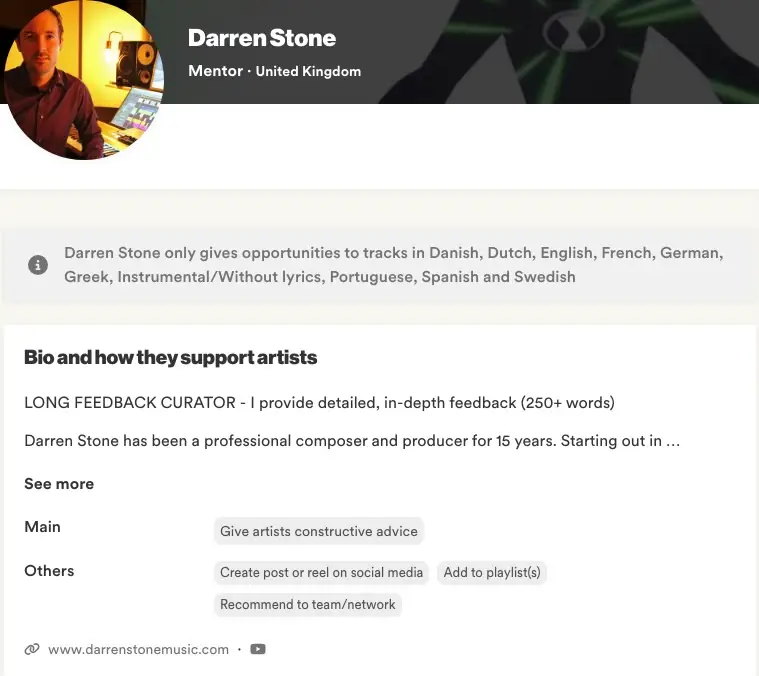
Indie Artists!
Indie artists!
Learn how Groover can boost your music career and reach new audiences.Discover More Independant Artists
Discover more independent artists by following my playlists below, support indie artists by sharing this post, or submit your music via Groover. Keep exploring new music discoveries and support the next wave of emerging talent.
Please consider supporting independent artists by sharing new music discovery and spreading the word to celebrate the wonderful work indie artists do. You can also discover more emerging music through my bemusi playlists below and explore the blog to discover fresh finds you may be interested in.
Artists, want your work featured? Submit new releases through Groover for curator feedback and potential spotlight placement.