Independent Music Spotlight
Los Machinga – No Más Bullying
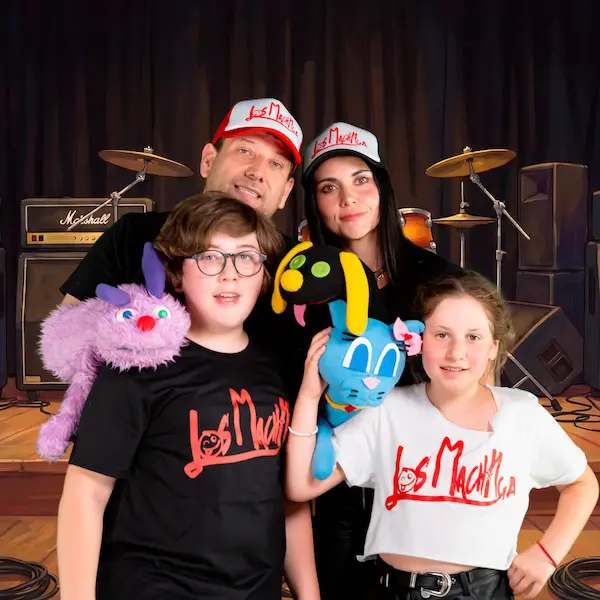
Artist: Los Machinga
Track: No Más Bullying
Style: Children's Rock .. oh and it rocks!
Sometimes, it’s not about production. It’s about feeling, emotion and individuality. Darren Stone explores how Chilean family band Los Machinga turn personal experiences into a fun, meaningful children’s rock song with No Más Bullying.
About The Artist
Sometimes, it’s not about the production. It’s about the feeling, the emotion and the ability to draw you in with something unique. That’s exactly what makes Los Machinga’s No Más Bullying stand out as a new music discovery. It’s natural, fun and full of the spirit of children’s rock, with an infectious personality that makes you wonder whether this is a style all of its own.
Los Machinga are a Chilean family band made up of parents and their children. The story behind this release makes it particularly meaningful. The song was created by the band’s children, Josefa and Cristóbal, following their own experiences with bullying at school. Rather than simply addressing the subject from an adult perspective, No Más Bullying gives young people a voice through music, turning difficult experiences into something constructive, expressive and ultimately uplifting.
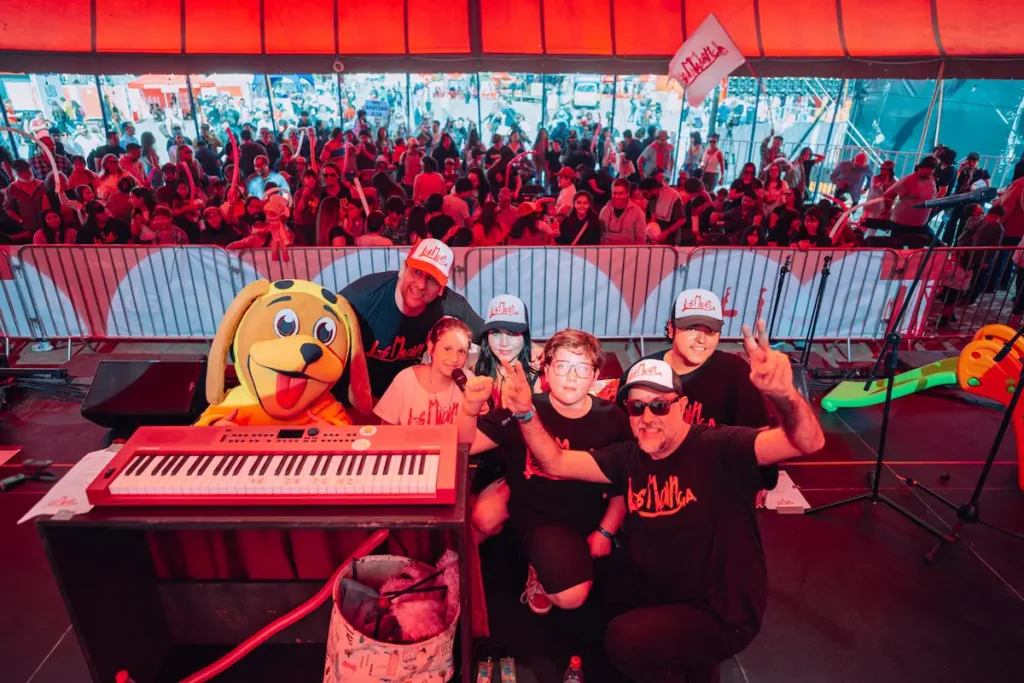
The band has enjoyed an exciting year in 2026, performing at Kidzapalooza as part of Lollapalooza Chile, Festival REC and the Ibero-American Kidfestival in Marbella, Spain. They also received the award for Best Children’s Rock Song at the 2026 Premios Talento Latino for Deja tu celular.
With No Más Bullying, Los Machinga continue to demonstrate how music can entertain, educate and encourage meaningful conversations across generations.
Track Spotlight
What immediately appeals to me about No Más Bullying is its natural, unpretentious character. There’s a sense of fun and enthusiasm that feels central to the music’s identity. This is children’s rock that embraces the joy of playing, the excitement of a band coming together and the idea that music can be an engaging experience for the whole family.
It’s worth celebrating that individuality. Music doesn’t always need to follow conventional production expectations or chase a particular sound to make an impression. Sometimes, what matters most is the character of the performance, the feeling behind the song and the way those elements connect with the listener. Los Machinga have something distinctive in their approach, and that personality is a big part of the appeal.
The subject matter also gives the track a purpose beyond entertainment. Bullying can be a difficult experience for children to navigate, and turning those experiences into a song creates an opportunity to communicate feelings that might otherwise be hard to express. Because Josefa and Cristóbal helped create the song in response to their own experiences, its message comes from a personal place. That gives the project an authenticity that is worth recognising.
There’s something particularly valuable about music that allows children to enjoy themselves while also opening the door to a bigger conversation. No Más Bullying brings together the energy of rock with a message of respect, empathy and companionship. It demonstrates that music for younger audiences doesn’t have to sacrifice personality or emotional substance to be accessible.
Creative identity
Individuality is not a finishing touch to be added after the music is written. It can be the very thing that makes a song worth hearing.
Listen to the artist now
Spread the word - Share this artist!
My Curator Notes
As a composer, producer and mix engineer, I spend a lot of time thinking about how music is put together. But reviewing independent music regularly reminds me that technical considerations are only one part of the picture. A track can be meticulously produced and still struggle to establish a personality. Another can capture your attention through its energy, sincerity and something you can’t quite put into words.
For me, Los Machinga’s appeal lies in that second category. No Más Bullying has an identity that feels rooted in the band’s own world rather than an attempt to fit into somebody else’s idea of what children’s music should sound like. That willingness to embrace a natural, playful approach is something independent artists can learn from. Individuality is not a finishing touch to be added after the music is written. It can be the very thing that makes a song worth hearing.
I also appreciate the way the song connects a real-life experience with a wider message. Josefa and Cristóbal have taken something difficult and channelled it into a creative project that could help other children feel understood. That’s a powerful reminder of what songwriting can offer. Music gives us a way to process experiences, share perspectives and build connections with people we may never meet.
There is also an important place in the music world for artists who create specifically for children and families. It’s easy to underestimate this area of music, but writing for younger listeners requires its own understanding of energy, communication and emotional connection. Los Machinga approach that space with a clear sense of purpose, and No Más Bullying is a reminder that a children’s song can be fun, distinctive and meaningful at the same time.
Artist Takeaways and Mentor Insight
1. Don’t confuse polish with personality
When you’re developing a track, it’s tempting to focus on making everything sound as polished as possible. Production matters, of course, but it should support the identity of the music rather than erase it.
Ask yourself what makes your song recognisably yours. Is it the way you perform, an unusual arrangement choice, a particular rhythmic feel or the personality of the vocal? Identify the elements that give your music character, and be careful not to remove them in pursuit of technical perfection.
2. Start with something you genuinely want to communicate
The story behind No Más Bullying is an excellent example of how personal experience can become the starting point for creative work.
You don’t need to write about something dramatic to make a meaningful song. Begin with an experience, an observation or an emotion that matters to you. Write down what you want the listener to feel or understand, then explore how the music can communicate that idea.
A clear emotional starting point can help guide decisions about melody, lyrics, arrangement and performance.
3. Understand who you’re making music for
Writing for children doesn’t mean making music without depth. It means understanding your audience and communicating in a way that connects with them.
Think about the listener’s age, interests and experiences. Consider how the rhythm, melody, language and overall energy can help communicate your message. Then look for ways to make the music enjoyable in its own right, rather than relying entirely on the subject matter to hold attention.
This principle applies across every genre. Knowing your audience helps you make more purposeful creative decisions.
4. Let your creative identity develop naturally
Artists sometimes spend too much time trying to define their sound before they’ve given themselves permission to experiment. Los Machinga are a useful reminder that a distinctive identity can emerge through the act of making music together and following what feels natural.
Try writing or producing something without starting from a genre label. Follow an interesting idea, experiment with an unexpected combination of sounds or let a performance take you somewhere you hadn’t planned.
You may discover something that doesn’t fit neatly into an established category. That can be an advantage. The aim isn’t to invent a new genre every time you write, but to remain open to ideas that make your music individual.
5. Give your music a life beyond the recording
A song can be more than a release on streaming platforms. It can become the starting point for conversations, performances, educational projects or connections with a particular community.
Think about what your music offers listeners and how you might communicate that beyond the track itself. For an independent artist, this can help shape a more focused release strategy and make it easier to find the people who will genuinely connect with your work.
For Los Machinga, the combination of family performance, children’s rock and an important social message gives No Más Bullying a clear identity that extends beyond the recording.
My advice to independent artists is simple: make music that means something to you, protect the qualities that make it distinctive, and give listeners a reason to connect with it.
Indie Artists!
Indie artists!
Learn how Groover can boost your music career and reach new audiences.
Discover More Independant Artists
Discover more independent artists by following my playlists below, support indie artists by sharing this post, or submit your music via Groover. Keep exploring new music discoveries and support the next wave of emerging talent.
Please consider supporting independent artists by sharing new music discovery and spreading the word to celebrate the wonderful work indie artists do. You can also discover more emerging music through my bemusi playlists below and explore the blog to discover fresh finds you may be interested in.
Artists, want your work featured? Submit new releases through Groover for curator feedback and potential spotlight placement.