Independent Music Spotlight
Hanan Townshend What We Lost II
Artist: Hanan Townshend
Track: What We Lost II
Style: Classical - Forget the style it's just emotional and seriously good!
About The Artist
There are moments in music where simplicity carries more weight than complexity, and “What We Lost II” by Hanan Townshend sits firmly in that space. This is a piece that does not demand attention, it invites it. What stood out to me immediately was the emotional honesty running through the composition. In a landscape where modern classical and felt piano releases are constant, this track manages to feel deeply personal and genuinely reflective.
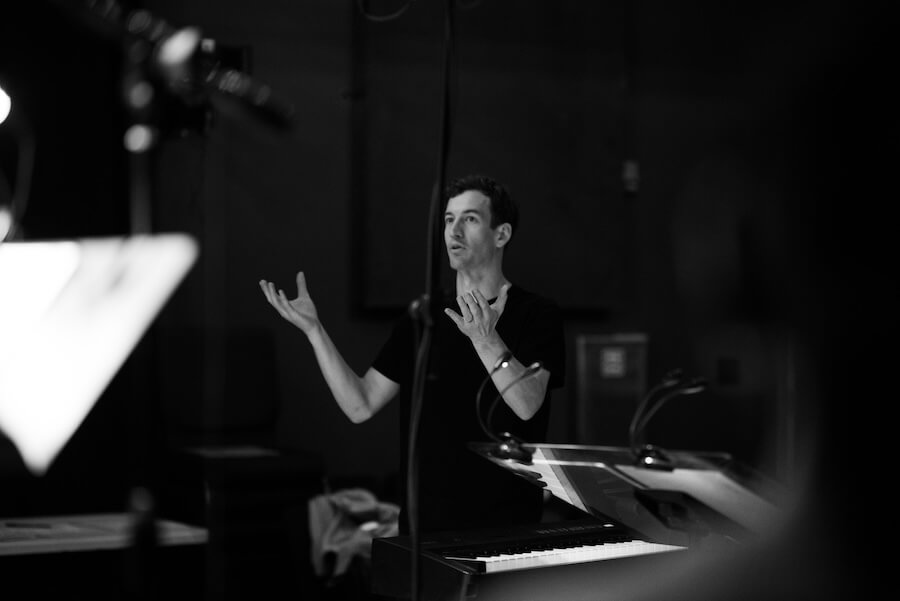
Hanan Townshend is an award winning composer and pianist whose work bridges contemporary classical, ambient music, and cinematic scoring. Known for his collaborations with filmmaker Terrence Malick on films such as The Tree of Life and Voyage of Time, his music often lives in that delicate space where feeling comes before explanation. With “What We Lost II,” he steps away from narrative constraints and leans fully into something more introspective and human.
The upcoming album What We Lost explores the nature of grief in a way that feels both fragile and unresolved. Recorded at home on his children’s upright piano, the music carries an intimacy that is hard to replicate in a studio environment. Even the subtle presence of nature, birds and ambient outdoor sounds, becomes part of the sonic identity rather than something to remove.
Track Spotlight
“What We Lost II” unfolds with a quiet confidence. The piano work is expressive without ever becoming overstated, allowing space to do much of the emotional lifting. What makes this piece stand out is the sense of movement within restraint. It is not simply a soft piano composition, it feels like a journey shaped by careful phrasing and intention.
The relationship between the piano and the accompanying strings is particularly effective. The violin adds a sense of motion and emotional lift, gently guiding the listener through shifts in tension and release. There is a subtle push and pull happening throughout the track, where moments of reflection are balanced with a quiet sense of forward motion. That balance is not easy to achieve, and it is handled with real sensitivity here.
From a production perspective, everything feels considered. The space around each element allows the composition to breathe, and nothing feels overworked. The decision to embrace imperfections, including environmental sounds, adds to the authenticity of the listening experience. It reinforces the idea that this music is not about perfection, but presence.
Seriously I challenge you to find something more emotional than this beautiful work. Take a listen and let your emotions free!
Listen to the artist now
Spread the word - Share this artist!
My Curator Notes
Listening to this as both a curator and a producer, what stands out most is the clarity of artistic identity. This is not a track trying to follow a trend, even though it sits within a popular genre. It succeeds because it prioritises emotional truth over aesthetic expectation.
For listeners, this is the kind of piece that reveals more with each play. It works in a cinematic context, but it is just as powerful in a personal listening environment. There is a patience in the writing that encourages you to slow down and sit with the music.
For artists, this is a strong example of how restraint can become your greatest strength. Not every idea needs to be filled, and not every space needs to be occupied. Sometimes what you leave out defines the piece just as much as what you include.
Artist Takeaways and Mentor Insight
There are several valuable lessons artists can take from this release. First, the importance of intention in songwriting. The emotional impact of “What We Lost II” does not come from sound choice alone, it comes from how the composition is structured. Think about phrasing, pacing, and how each section leads naturally into the next. Emotion should be embedded into the writing, not added afterwards.
Second, consider your recording environment as part of your sound. This track benefits from being recorded in a real, lived in space. Instead of chasing a perfectly clean recording, think about what atmosphere your environment naturally provides and how that can enhance your music.
Another key takeaway is the use of dynamics and restraint. You do not need constant complexity to hold attention. Subtle changes in intensity, texture, and timing can be just as powerful. Learning to trust simplicity is a skill that takes time, but it is often what separates good music from something truly memorable.
Finally, this release highlights the value of creating outside of expectation. When you are not writing to fit a brief or a specific outcome, you open the door to more honest and original work. That authenticity is what listeners connect with most.

Indie Artists!
Indie artists!
Learn how Groover can boost your music career and reach new audiences.Discover More Independant Artists
Discover more independent artists by following my playlists below, support indie artists by sharing this post, or submit your music via Groover. Keep exploring new music discoveries and support the next wave of emerging talent.
Please consider supporting independent artists by sharing new music discovery and spreading the word to celebrate the wonderful work indie artists do. You can also discover more emerging music through my bemusi playlists below and explore the blog to discover fresh finds you may be interested in.
Artists, want your work featured? Submit new releases through Groover for curator feedback and potential spotlight placement.