
Independent Music Spotlight
David Joseph – Images for Orchestra | Groover Spotlight on Independent Music
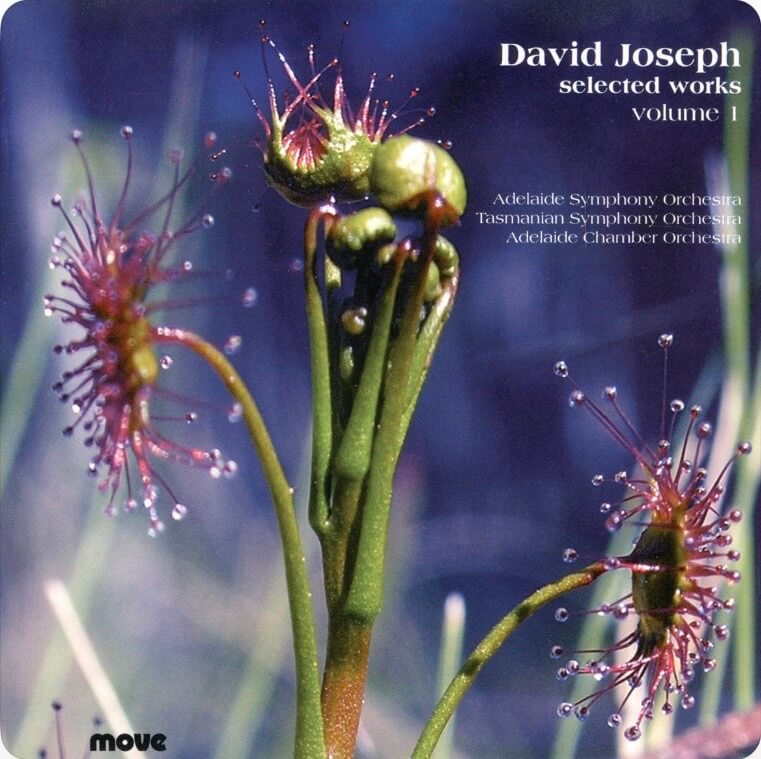
Artist: David Joseph
Track: Images – for Orchestra
Style: Classical
About The Artist
Some releases demand patience, depth, and full attention. David Joseph’s Images – for Orchestra is one of those rare works that invites the listener to lean in rather than scroll past. As a new music discovery through Groover, this piece stood out immediately for its conviction, scale, and artistic integrity.
Born in Melbourne in 1954, David Joseph’s musical path was anything but predictable. Early exposure to Russian repertoire such as Prokofiev’s Peter and the Wolf, alongside a lifelong admiration for composers including Stravinsky, Borodin, and Rachmaninov, shaped a deep affinity for orchestral colour and expressive intensity. Later studies in Adelaide under Richard Meale, immersion in European repertoire, and a transformative period in Spain on an Australia Council Fellowship all contributed to the formation of a composer who thinks orchestrally and writes with purpose.
Images – for Orchestra emerged directly from that Spanish experience. It is not simply inspired by place, but by sensation, architecture, movement, and atmosphere. This is emerging music in the truest sense, work that grows from lived experience and translates it into sound.
Track Spotlight
From the first moments, Images – for Orchestra establishes a confident, expansive voice. The writing challenges the listener without ever losing emotional engagement. There is asymmetry in the flow, yet nothing feels arbitrary. Instead, ideas unfold with intention. Leading lines draw the ear forward, only to be reshaped by new textures and shifting harmonic landscapes.
The compositional approach feels almost cinematic in scope, yet it resists predictability. Focus is broken and redirected in a way that feels deliberate and artistic. Listening becomes an active process. Themes emerge, evolve, dissolve, and reappear in altered forms. That sense of motion creates a vivid, almost visual experience, as though walking through a vibrant European city, absorbing culture and architecture in real time.
The live orchestral performance adds another dimension. There is breadth and space in the recording, allowing dynamics to breathe naturally. The orchestration is detailed but never cluttered. Each section has purpose. The result is a piece that rewards repeated listening, revealing new subtleties with each return.
For anyone exploring independent artist releases within the classical space, this is a powerful example of contemporary orchestral writing that respects tradition while asserting individuality.
Listen to the artist now

Spread the word - Share this artist!
My Curator Notes
What impressed me most is the commitment to depth. This is not music designed for quick consumption. It asks something of the listener and gives something back in return. In a landscape where emerging music can sometimes lean towards immediacy, David Joseph demonstrates the value of complexity, patience, and structural thought.
There is clear evidence of serious study and professional thinking behind this composition. The orchestration is confident, the harmonic language considered, and the pacing intentional. For fellow artists and composers, this is a reminder that strong music often lies beyond the obvious.
As part of our curated playlist focus on Groover discoveries, this release represents the kind of independent artist work that deserves sustained attention. It expands the listening space rather than filling it.
New To This Style Of A-Tonal Music - Here's how to listen
For listeners who are new to this style, particularly music that leans towards atonality and moves away from strict melody or traditional harmonic function, the first shift is expectation. Rather than listening for a hummable theme or a predictable chord progression, begin by focusing on texture, colour, and contrast. Ask yourself what instruments are interacting and how their timbre shapes the emotional landscape.
In atonal music, tension and release do not always follow familiar patterns. Instead of waiting for a comfortable resolution, pay attention to density and space. Notice when the orchestration thickens and when it thins out. Dynamic changes often act as structural markers. Crescendos, sudden silences, and shifts in register can signal new sections or emotional pivots even when tonal harmony is not guiding the journey.
It can also help to listen narratively rather than analytically. Imagine scenes, movement, or abstract imagery as the music unfolds. Pieces like Images – for Orchestra reward this approach. The absence of a fixed tonal centre creates freedom. It allows sound to function as atmosphere and gesture rather than song form. Over time, the ear adapts. What first feels disorientating can become immersive and deeply expressive once the listener releases the need for conventional structure.
Artist Takeaways and Mentor Insight
For composers and producers looking to grow, there are several practical lessons within this release.
First, study widely and deeply. David’s background in score study and analysis clearly informs his structural awareness. Spend time with full scores. Understand how composers move between ideas and manage orchestral density.
Second, allow experience to shape your work. Images – for Orchestra grew from time spent in Spain. Rather than writing abstractly, translate personal encounters into musical language. Ask yourself what emotional or visual memory you are trying to capture.
Third, think orchestrally even if you work digitally. Consider how parts interact, how lines compete or complement each other, and how dynamics create narrative shape. Even in DAWs, arrangement thinking is orchestration thinking.
Finally, embrace complexity when it serves the music. Not every idea needs to resolve quickly. Sometimes allowing the listener to work a little harder creates deeper engagement and longer lasting impact.
Indie Artists!
Indie artists!
Learn how Groover can boost your music career and reach new audiences.Discover More Independant Artists
Discover more independent artists by following my playlists below, support indie artists by sharing this post, or submit your music via Groover. Keep exploring new music discoveries and support the next wave of emerging talent.
Please consider supporting independent artists by sharing new music discovery and spreading the word to celebrate the wonderful work indie artists do. You can also discover more emerging music through my bemusi playlists below and explore the blog to discover fresh finds you may be interested in.
Artists, want your work featured? Submit new releases through Groover for curator feedback and potential spotlight placement.