
Independent Music Spotlight
Pietro Beltrani - Love In Winter
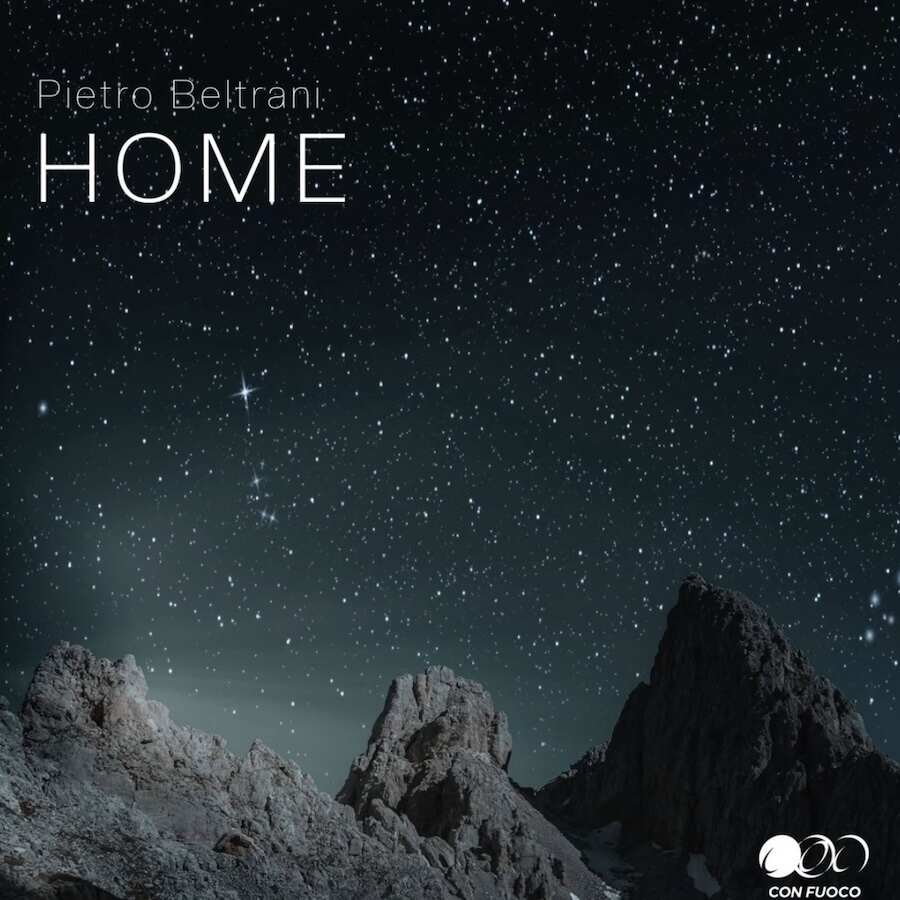
Artist: Pietro Beltrani
Track: Love In Winter
Style: Classical - Solo Piano
About The Artist
There is something immediately appealing about music that does not ask you to hurry. Pietro Beltrani’s “Love in Winter” is a piece that creates its own sense of time and space, allowing the listener to settle into the music rather than constantly looking ahead to what comes next.
It was this sense of atmosphere, combined with the quality of the piano writing and Pietro’s playing, that made the piece stand out to me as a new music discovery through Groover. It is an intimate piece of modern classical music, but there is enough movement, dynamic contrast and melodic development to keep it from simply becoming background music.
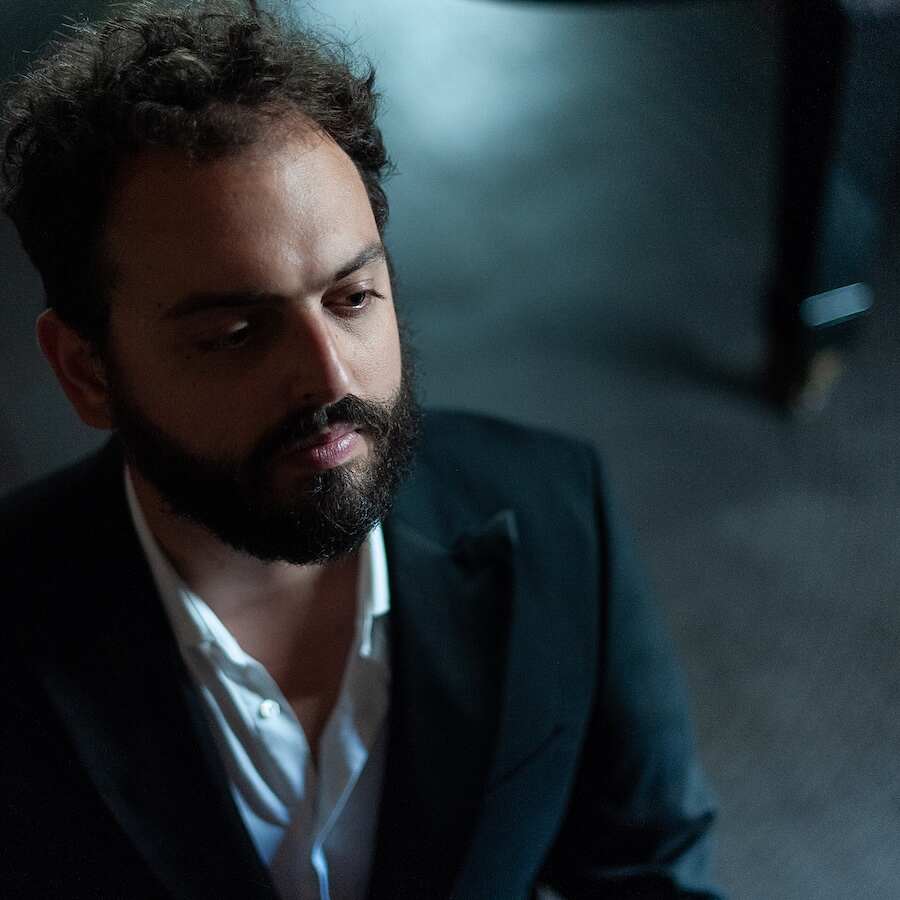
Pietro is a concert pianist and composer based in Italy, and “Love in Winter” comes from his album Home, released through CON FUOCO RECORDS. The album contains eleven original piano compositions, all composed and performed by Pietro, and each piece has been recorded in two forms. Alongside the main acoustic grand piano recordings, Pietro has created a “Felted Piano Edition”, performed on an upright piano with a mute.
The idea behind Home is particularly interesting. Pietro describes the album as an exploration of the desire not simply to escape reality, but to find a place to return to, with the people, memories and spaces that give us a sense of belonging. Within that wider idea, “Love in Winter” represents a particular kind of love, one associated with protection, support and security rather than the warmth and optimism of the springtime love explored elsewhere on the album.
Track Spotlight
“Love in Winter” immediately demonstrates how much can be communicated through a solo piano when the writing and performance are given enough space. There is no additional instrumentation to create an obvious emotional framework around the piano. Everything comes from the relationship between melody, harmony, rhythm, dynamics and touch.
That makes the execution particularly important. A beautiful melody still needs a convincing performance to come alive, and there is a real understanding of phrasing in Pietro’s playing. The melody is given room to breathe, while the supporting harmony provides enough movement to prevent the music from feeling static. The result is reflective without becoming motionless.
I was particularly drawn to the dynamic range throughout the piece. The music does not remain quiet simply because its emotional character is intimate. There is a genuine sense of movement, tension and release, allowing the composition to grow and contract naturally. The music breathes.
The recurring melodic ideas are also handled with considerable care. They return throughout the piece, but they are developed and transformed sufficiently that they retain their purpose. Their familiarity becomes part of the emotional experience rather than feeling repetitive.
Towards the end, the ascending arpeggios caught my attention. It is a subtle change, but it introduces a new sense of direction at exactly the right moment. With reflective music like this, there is always a danger that an audience can become so immersed in the atmosphere that the piece begins to lose its sense of forward movement. This small upward gesture almost feels like a gentle reminder to remain present with the music. Keep listening. Stay here for a little longer.
That is a deceptively difficult thing to achieve in composition. Sometimes the smallest change can have the greatest effect when it arrives at the right point in the musical journey.
The recording itself is an important part of why the piece works so well.
The piano has depth and character without losing its intimacy, and the recording allows the performance to remain at the centre of the experience. There is enough detail to hear the nuances of Pietro’s playing, but the sound never becomes cold, clinical or unnecessarily exposed.
Recording piano convincingly is not quite as simple as it might appear. The instrument covers a huge frequency range and has an enormous dynamic range, while the character of the recording space becomes part of the sound itself. Too much room can remove intimacy, while too little can make the instrument feel strangely disconnected.
Here, the balance between instrument, dynamics and acoustic space is particularly well judged. The recording supports the composition rather than drawing attention away from it.
For other independent artists working with piano, particularly those creating modern classical or neo classical music, there is a lot to learn from that approach. Composition, performance and recording are not separate stages here. They are working together to create the final emotional experience.
Listen to the artist now
Spread the word - Share this artist!
My Curator Notes
One of the things I value when listening to emerging music is discovering an artist who understands that not every piece of music needs to compete for attention.
“Love in Winter” has the confidence to take its time. It does not need a dramatic production change every few seconds, a large arrangement or an obvious climax to justify its existence. Instead, the interest comes from the quality of the musical material and the way Pietro allows that material to develop.
That is something I think is increasingly valuable in independent music. We are surrounded by music competing for increasingly short periods of attention, but there is still a huge audience for music that gives people somewhere to go emotionally.
Pietro’s work is a good reminder that intimacy can be a creative strength. A solo piano can feel incredibly personal when the performer understands the relationship between touch, timing, dynamics and silence.
For listeners discovering new music through Groover, this is exactly the kind of release I enjoy finding. It has a clear creative identity, a strong relationship between concept and composition, and enough musical detail to reward repeated listening.
be musi Curator Recommendation
Pietro Beltrani | “Love in Winter”
An intimate modern classical piano piece exploring love, security and the quiet emotional atmosphere of winter.
Artist Takeaways and Mentor Insight
There are several practical lessons here that artists can take into their own work.
Give your musical ideas enough space.
One of the strongest aspects of “Love in Winter” is that Pietro does not feel the need to constantly replace one idea with another. A melodic idea can return, develop and change context while still remaining recognisable. When arranging your own music, consider whether every new section genuinely adds something, or whether an existing idea could become more interesting simply by being developed.
Use dynamics as part of the composition.
Dynamics are not simply something to add during the final stages of a performance or mix. They can determine the emotional shape of an entire piece. Think about where your music needs intimacy, where it needs greater intensity and where it needs to fall back again. A quiet section becomes much more meaningful when the listener has experienced contrast.
Let the performance communicate the composition.
With a solo instrument, there is nowhere to hide. Every note, pause, accent and change in touch contributes to the emotional character. Spend time considering how you want the listener to experience the performance, rather than concentrating solely on playing the correct notes.
Think about recording as part of the artistic identity.
Pietro’s decision to release both grand piano and Felted Piano Editions is particularly interesting because the instrument itself becomes part of the creative concept. The same composition can take on a different emotional character through a change in piano, room and recording approach.
That is worth considering beyond piano music. Your choice of instrument, microphone, room, effects and production style can all become part of the identity of a release. Production does not always need to make a song bigger. Sometimes its job is to make the emotional intention clearer.
Build a world around your music.
The concept behind Home gives the individual pieces a wider context. “Love in Winter” becomes more interesting when heard alongside “Love in Spring”, “Distance”, “Ocean”, “Dolomiti” and the album’s title track. For independent artists, this is a useful reminder that a release can be more than a collection of individual songs. A strong creative idea can give listeners another reason to explore the wider project.

Indie Artists!
Indie artists!
Learn how Groover can boost your music career and reach new audiences.Cinematic Creatives
Discover More Independant Artists
Discover more independent artists by following my playlists below, support indie artists by sharing this post, or submit your music via Groover. Keep exploring new music discoveries and support the next wave of emerging talent.
Please consider supporting independent artists by sharing new music discovery and spreading the word to celebrate the wonderful work indie artists do. You can also discover more emerging music through my bemusi playlists below and explore the blog to discover fresh finds you may be interested in.
Artists, want your work featured? Submit new releases through Groover for curator feedback and potential spotlight placement.