Independent Music Spotlight
Charles Knudsen Piano Quintet "The Fall" | Groover Spotlight on Independent Music
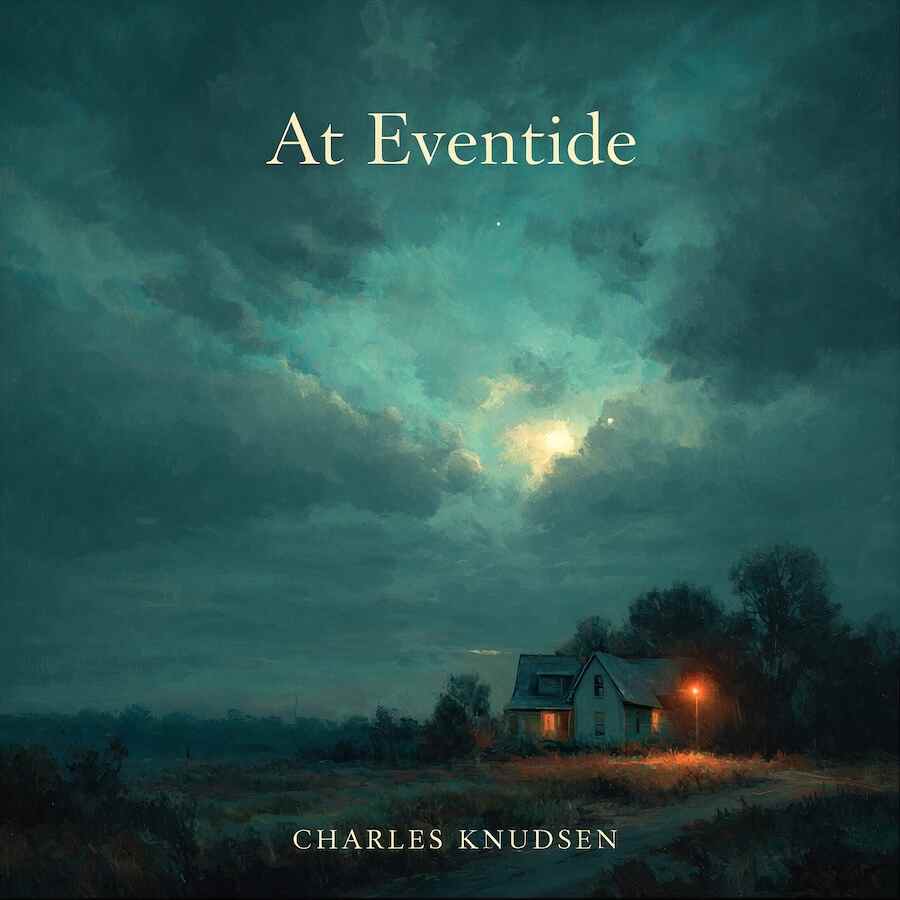
Artist: Charles Knudsen
Track: Piano Quintet "The Fall"
Style: Classical
About The Artist
Some pieces just immediately suggest a story, even before you know anything about the composer or the inspiration behind them. Charles Knudsen’s Piano Quintet “The Fall” is one of those works. From its opening bars of reflective strings lines, there is a sense that you are entering a particular world, one shaped by darkness, tension, beauty and transformation.
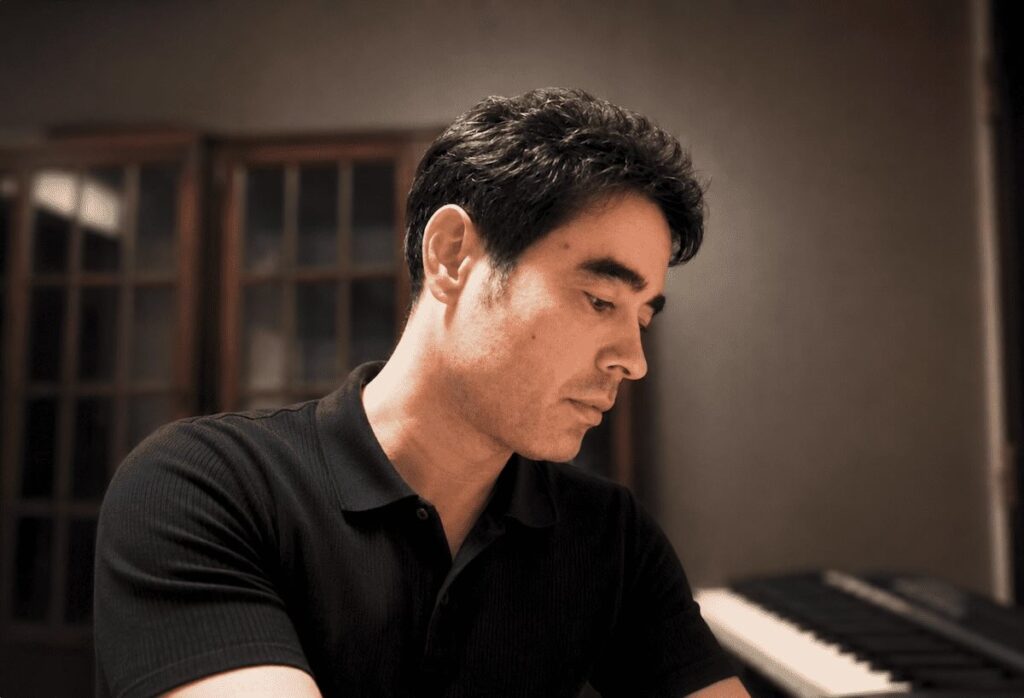
Based in Japan, Charles Knudsen is a composer and pianist whose work sits comfortably between lyrical romanticism and contemporary classical expression. His musical journey is particularly interesting because he came to the piano relatively late, first discovering the instrument seriously during high school through an improvisation based group piano programme inspired by the teaching philosophy of Robert Pace. That early emphasis on exploration and expression seems to have remained central to his approach to music.
Composition has remained a constant throughout Charles’s life, alongside his work in education. His catalogue includes piano works, chamber music, sonatas and music written for independent films, online media, art exhibitions, weddings and funerals. There is a strong sense of narrative running through much of his work, with atmosphere and emotional transformation playing an important role in how his music communicates.
That is certainly the case with “The Fall”, a piano quintet performed by Emerald Strings in Poland. It is a work that immediately caught my attention as a new independent music discovery because it feels cinematic without relying on cinema to give it meaning. The music creates its own visual world.
Track Spotlight
What strikes me most about “The Fall” (and Charles’ other works) is how self sufficient the composition feels. It does not need accompanying imagery to tell the listener what to feel. There is already a strong emotional narrative within the music itself, although the accompanying film adds another fascinating dimension to the experience.
The piece moves across an impressive emotional and dynamic range. There are moments of quiet intimacy alongside passages that feel almost thunderous, and the contrast between these extremes is one of the things that makes the work so compelling. Rather than simply using dynamics to create impact, Charles uses changes in texture, register, harmony and orchestration to continually reshape the emotional landscape.
One moment can feel almost like a scene from a vintage black and white film, with lyrical string writing creating a sense of romantic melancholy. Then, without warning, the warmth begins to disappear and something darker starts to emerge. The music seems to breathe between these contrasting emotional states, creating an underlying tension that keeps you listening.
There is also a remarkable amount of detail within the writing. Intertwining musical lines move around one another, thematic ideas return in altered forms and the harmonic language continually shifts the emotional perspective. It is sophisticated writing, but importantly, the sophistication never becomes the point. The techniques serve the emotional story.
I particularly enjoyed the relationship between the piano and strings. With such expressive string writing, it would be easy for the piano to become secondary, but that is not what happens here. The piano provides an important harmonic and rhythmic foundation while also reinforcing some of the darker colours within the piece. It creates a partnership between the instruments rather than simply placing the piano underneath the strings.
For me, this is one of those compositions where multiple listens are not simply beneficial, they feel almost necessary. Each time I returned to the piece I found another detail in the orchestration, another movement within the harmony or another subtle change in the emotional character.
From a production perspective, there is very little I would want to change. The recording allows the natural character of the instruments to speak, and that is particularly important with chamber music where excessive processing can quickly remove the sense of intimacy and physical presence.
The balance is particularly well judged. Even when the arrangement becomes dense, the individual musical lines remain intelligible. The upper strings retain their expressive character without becoming harsh, while the lower register provides weight and depth.
There is also a convincing sense of acoustic space around the ensemble. The recording gives the musicians room to breathe without allowing the reverberation to obscure the detail in the performance.
It is worth highlighting the performance by Emerald Strings too. The interpretation has a strong sense of personality and expression, which helps bring Charles’s score away from the page and into something genuinely alive. The musicians are not simply playing the notes. They are contributing to the emotional identity of the work.
I also really like the way the piece has been presented on YouTube. The video allows you to experience the composition alongside the visual story, before giving you an opportunity to focus more closely on the musicians and their performance. That second perspective is valuable because it acknowledges the people bringing the composition to life.
Listen to the artist now
Spread the word - Share this artist!
My Curator Notes
As someone who listens to a lot of emerging music across very different genres, one of the things I look for is a recognisable creative identity. Technical ability is important, but I am always more interested in what makes an artist sound like themselves.
Charles already has that quality.
There is a clear connection between his musical interests, his writing and his approach to storytelling. His work draws from the traditions of classical composition while remaining interested in atmosphere, visual culture and contemporary forms of presentation. “The Fall” demonstrates that beautifully.
I also think this is a useful reminder that independent music discovery does not have to mean discovering something completely outside the mainstream musical vocabulary. Sometimes the most exciting discoveries are artists who take an established musical language and make it deeply personal.
“The Fall” is recognisably a piano quintet, but it does not feel like an exercise in historical recreation. It feels like Charles Knudsen’s interpretation of what this musical form can communicate today.
That is what makes it stand out to me.
Artist Takeaways and Mentor Insight
For fellow artists and composers, there are several useful lessons to take from “The Fall”.
Start with emotional intention.
Before thinking about instrumentation, production techniques or how impressive a piece might sound, consider what you want the listener to experience. Charles’s writing has a strong emotional direction, which gives the harmonic and orchestral decisions a purpose. When you know the emotional destination, individual musical choices become much easier to make.
Use contrast as a compositional tool.
One of the strongest elements of “The Fall” is its contrast. Quiet and loud, intimate and expansive, lyrical and unsettling, dark and warm. Contrast does not simply mean making something louder after making it quiet. It can come from register, harmony, instrumentation, articulation, density and even the amount of space between musical ideas.
When developing your own music, look beyond volume for ways to create contrast. Ask yourself whether the instrumentation, harmonic colour or register is changing enough to give the listener a new perspective.
Let themes evolve rather than constantly introducing new ideas.
Charles demonstrates how recurring material can become more interesting when it is transformed. A musical idea does not have to appear in exactly the same form every time. Change the harmony beneath it, move it into another register, alter the instrumentation or change its rhythmic character.
This can create a much stronger sense of musical identity than constantly introducing completely new material.
Think about the role of every instrument.
The relationship between the piano and strings is a good example of purposeful arrangement. Every part contributes something to the overall musical picture. When working on your own arrangements, try muting individual instruments and asking what disappears when they are removed. If the answer is very little, perhaps that part needs a clearer musical purpose.
Give your music a world beyond the audio file.
Charles’s presentation of “The Fall” also provides an interesting lesson for independent artists. The music works on its own, but the visual presentation gives listeners another way into the piece. Collaborating with photographers, filmmakers and visual artists can create new opportunities for your music to reach people who may never have discovered it through audio alone.
That does not mean every release needs an expensive music video. It could be a thoughtful performance film, a visualiser, artwork, a score video or a collaboration with another creative.
The important thing is to think about how the world around your music can reinforce your artistic identity.
Piano Quintet “The Fall” is a beautifully crafted piece from an independent composer with a strong and recognisable voice. It combines the expressive traditions of classical chamber music with a cinematic sense of atmosphere and narrative, creating something that feels both familiar and distinctly personal.
What I particularly admire is the confidence of the writing. Charles does not seem interested in adding complexity simply for the sake of complexity. The harmonic language, orchestration, thematic development and dynamic contrasts all contribute towards a larger emotional story.
That is ultimately what makes this such an engaging new music discovery for me. Beneath the technical skill is a genuine sense of communication.
Charles, thank you again for sharing your music with me. It is always a pleasure to hear your work, and I am particularly pleased to be able to introduce “The Fall” to a wider audience through my independent music discovery platform and curated playlists.
I will certainly be following where your music goes next.
Indie Artists!
Indie artists!
Learn how Groover can boost your music career and reach new audiences.Discover More Independant Artists
Discover more independent artists by following my playlists below, support indie artists by sharing this post, or submit your music via Groover. Keep exploring new music discoveries and support the next wave of emerging talent.
Please consider supporting independent artists by sharing new music discovery and spreading the word to celebrate the wonderful work indie artists do. You can also discover more emerging music through my bemusi playlists below and explore the blog to discover fresh finds you may be interested in.
Artists, want your work featured? Submit new releases through Groover for curator feedback and potential spotlight placement.